
Picture this: you finally land, head to baggage claim and your suitcase is gone. That sinking feeling is a reality for thousands every year. While stolen luggage isn’t the rule, it does happen more often in busy airports and crowded spaces.
Travelers lose about five bags a minute worldwide. Sometimes it’s simple mishandling, but theft is rising, especially when bags are left unattended or picked up late. Thieves don’t just want fancy bags—any luggage left exposed is a target.
You don’t need to panic. With some basic travel habits and smart strategies, you can boost your luggage safety wherever you go. In this guide, I’ll walk through practical steps to keep your belongings secure from the moment you pack to when you leave the terminal.
Choosing the Right Luggage for Security
The bag you choose makes a big difference in luggage safety. Some bags are easier targets for theft, while others offer better protection against stolen luggage. I’ve learned that the right luggage is not just about looks or price—it’s about security features, durability, and making your bag stand out from the crowd. Here’s how to pick wisely so your belongings make it home with you.
Picking Hard-Sided and Sturdy Bags
Hard-sided luggage stands up to tampering better than soft or fabric bags. Most sturdy models use polycarbonate or tough plastics that resist slashing or prying. In 2025, many top brands like Travelpro, Briggs & Riley, and Away build their shells to handle rough handling, attempted break-ins, and bad weather.
Soft-sided bags, especially those with exposed zippers or nylon panels, are far easier to pierce with a knife or pen. Thieves often target these bags because they can quietly slip in and grab valuables.
Key reasons I recommend hard-sided luggage:
- Less vulnerable to sharp objects or tools
- Tight clamshell seal that resists forced entry
- Often comes with reinforced corners or metal latches for added protection
While no bag is theft-proof, choosing a hard case gives you a fighting chance against quick snatch-and-grab tactics.
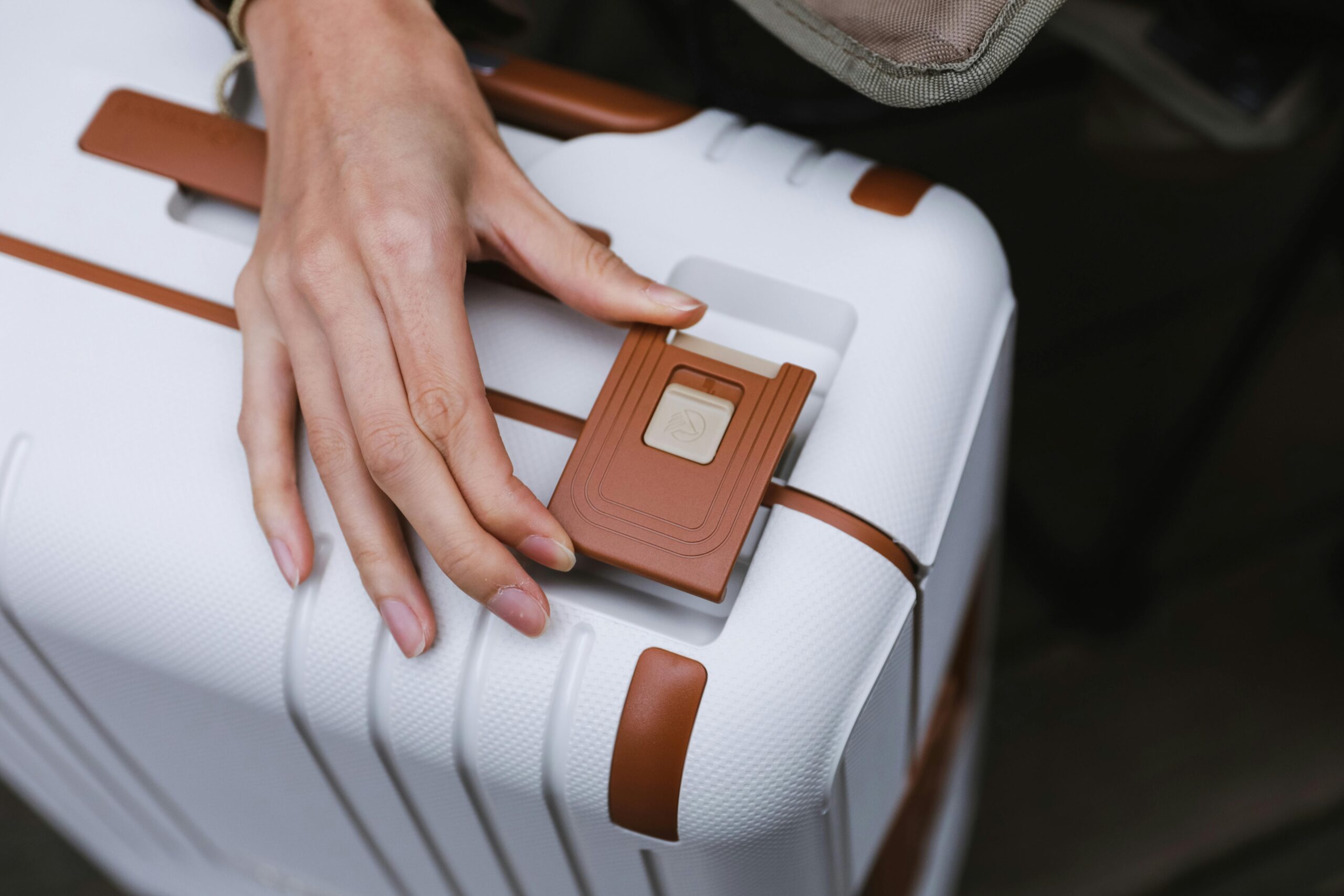
Photo by Eminent Luggage
Using Built-In and TSA-Approved Locks
Locks keep out casual thieves and protect bags when out of sight. Built-in locks, now standard on most hard-shell suitcases, are simple but block opportunistic hands. TSA-approved locks stand out because airport security can open them without breaking the lock or your luggage.
Pros of TSA-approved locks:
- Security agents can inspect your bag without damage
- Blocks easy access for thieves in common areas
- Quick and easy to use, even for new travelers
Cons you should know:
- TSA has a master key, which sometimes ends up in the wrong hands
- Determined thieves may still pick or cut them (though most won’t bother)
Here’s my advice: use any lock you can, even if it’s just a deterrent. Thieves are in a hurry and prefer weak targets—an unlocked zipper or strap is far less trouble than a secured case.
Identifying Your Luggage Visibly
Making your bag easy to spot can also keep it safe. Thieves want to blend in when lifting luggage, so a generic black bag looks like every other suitcase on the belt. Bright markers, straps, or even patches shout “Notice me!” and help prevent both theft and accidental pick-ups.
Try these methods to stand out and boost luggage safety:
- Wrap a colorful strap or ribbon around your bag
- Add a large, personalized tag with your name or a symbol
- Use travel stickers or paint markers to add bold designs
Custom touches not only make your bag easy to find but also deter people from “accidentally” walking off with it. A unique suitcase is less tempting to thieves and easier to describe if it’s stolen.
By paying attention to your luggage choice, lock use, and how your bag looks, you set yourself up for safer travel and fewer headaches if something goes wrong.
Packing Strategies to Prevent Stolen Luggage
When it comes to luggage safety, what you pack and how you pack it often matter as much as the type of bag you choose. Thieves don’t just strike at baggage claim—they know where to look for valuables inside your bags, too. A smart packing strategy is your first line of defense against stolen luggage. Let’s break down the steps that help keep your stuff safe from prying hands.
Keeping Valuables Out of Checked Bags
Many travelers make the mistake of putting items like jewelry, cash, electronics, and even critical documents in checked baggage. This is one of the top reasons for lost or stolen items during a trip. Bags go through many hands and holding areas from check-in to arrival, giving thieves opportunities to “shop” through your things.
Here’s what you should always keep with you in your carry-on:
- Passports and IDs
- Credit cards and cash
- Laptops, tablets, and cameras
- Jewelry and watches
- Medication
- Any personal documents (like visas or hotel confirmations)
Packing these in your carry-on, not your checked luggage, makes theft less likely. I always keep my carry-on with me or under the seat, never out of my sight. Even if someone asks you to check a bag last minute at the gate, take a few minutes to remove your valuables first.
This simple rule doesn’t just apply to airports. Buses, trains, and cruise ships also come with risks. If you can’t afford to lose it, keep it with you.
Using Luggage Trackers and Smart Devices
Tech makes it much easier to track and recover lost or stolen luggage than ever before. Devices like Apple AirTags, Samsung Smart Tags, Chipolo Pop, and Eufy SmartTrack Link can be game-changers when airline staff can’t find your bag.
How these trackers help with luggage safety:
- They use Bluetooth and GPS to connect with your phone.
- If your bag is “lost,” you can see its last known location.
- With networks like Apple’s Find My or Google’s Find My Device, your tag can ping off nearby devices—making it easier to track, even if it’s far from you.
- Many trackers now offer loud alerts, water resistance, and integration with voice assistants like Siri or Google Assistant.
For 2025, top recommended models based on expert reviews include:
- Apple AirTag: Best for iPhone users and massive tracking network.
- Chipolo Pop: Great for Android or iOS and offers a powerful separation alert.
- Eufy SmartTrack Link: Well-reviewed and budget-friendly.
- Samsung SmartTag2: Ideal for Samsung Galaxy users.
Hide the tracker deep in your checked luggage, not in outside pockets. If your suitcase doesn’t show up, open your tracker app. Sometimes you’ll see it sitting in an airline office, or, in rare cases, moving somewhere it shouldn’t be. This quick information can help airline staff (or police) act fast.
Minimizing Visible Valuables and Temptation
Out of sight, out of mind. If thieves don’t know there’s something worth stealing, they’re less likely to target your bag. Even nice luggage can attract unwanted attention if it’s clear you’ve packed expensive gear.
To lower temptation and protect your valuables:
- Place tablets, cameras, and extra electronics deep inside your suitcase, wrapped in clothes.
- Stuff expensive items in shoes or inside zipped pockets where they’re less obvious.
- Skip packing in branded pouches or cases that scream “steal me.”
- Don’t flash luxury goods or designer labels through clear packing cubes or mesh pockets.
Try layering your clothes around small valuables for padding and for concealment. If you travel with things like camera lenses or jewelry, use less flashy cases. For extra protection, sandwich valuables in the middle, between layers of bulky clothes.
Lists, checks, and some creativity go a long way. Every extra step you take makes your bag a less attractive target for grab-and-go thieves.
By following these packing strategies, I protect what matters and keep my luggage safe on every trip. If it’s not easy to spot or snatch, thieves usually move on. That simple.
Staying Alert at Airports, Stations, and Hotels
The most common moments for stolen luggage? Right in plain sight. Airports, train stations, and hotels are busy—thieves count on distractions, exhaustion, and that split second when you look away. Staying alert in public spaces is key for luggage safety. Here are habits that help keep your belongings close and prevent someone from making off with them.
Never Leaving Bags Unattended
It only takes a few seconds to lose a bag. A quick trip to grab coffee or use the restroom could be all the time a thief needs. You might think security cameras or crowds will protect you, but these don’t stop determined criminals.
There have been arrests at major airports, like Los Angeles International, where organized thieves walked away with unattended bags near check-in or seating areas. Sometimes people turn to answer a call or move to another chair and assume their bag is fine in sight. In reality, opportunists are looking for just these moments.
To avoid stolen luggage, always:
- Keep your bag in your direct line of sight
- Ask trusted travel mates to watch your bags if you must step away
- Never rely solely on security cameras or airport staff
Remember: It’s your job to stay alert. Your suitcase is safest when it’s right with you.
Positioning Luggage for Maximum Safety
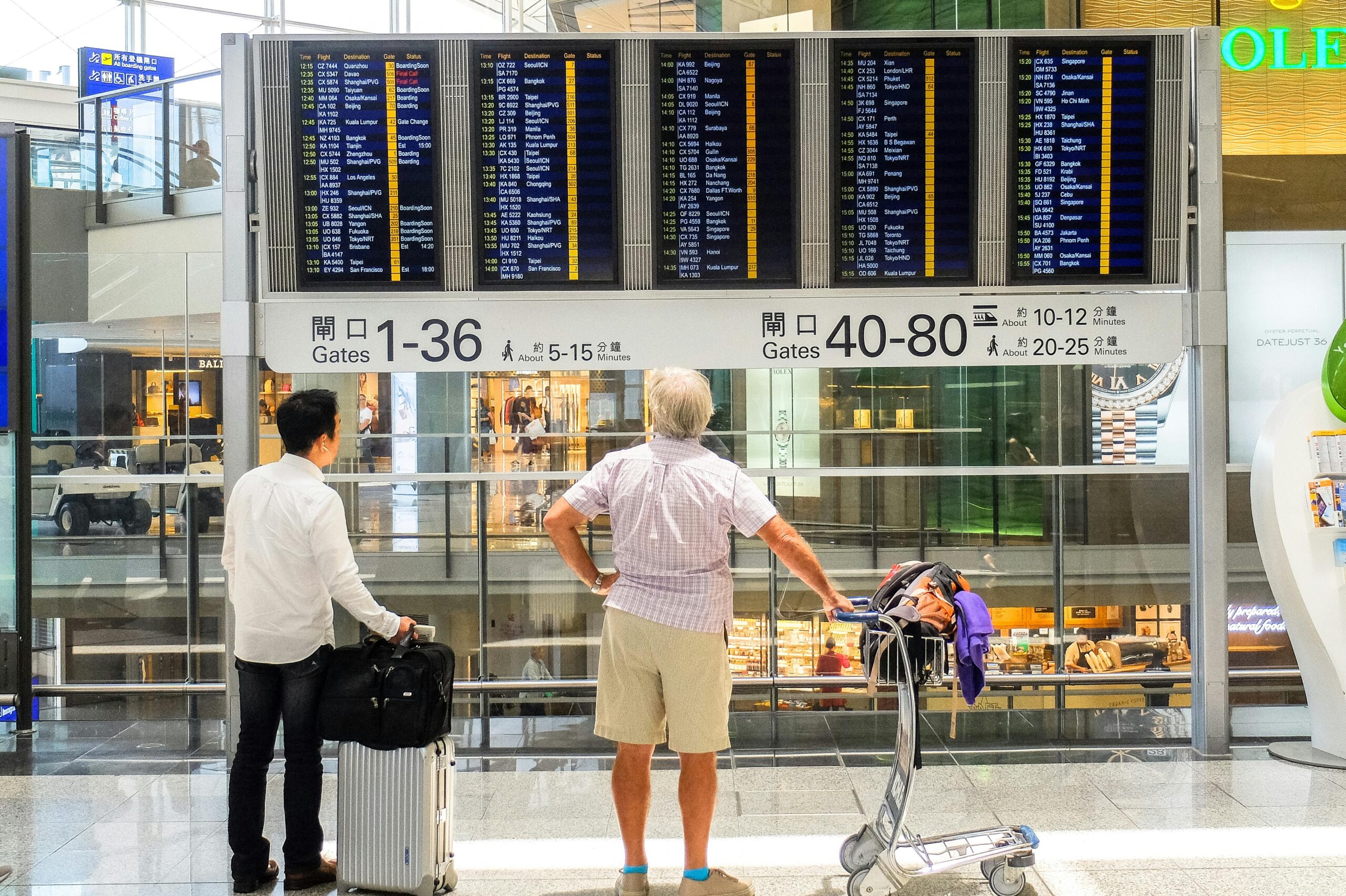
How you position your bag makes a big difference in keeping it secure in public spaces. A bag left behind a chair, in an aisle, or against a wall is an easy target. Anyone can walk by and scoop it up without much fuss.
Here are simple ways to keep your bags safe:
- Place your bag between your feet while seated, not in the aisle or behind you
- Keep physical contact with your suitcase handle or strap if standing
- Lean the bag up against a wall in front where you can see it at all times
- Wrap the strap around your leg or chair arm if you’re resting for a bit
Many people place their bag just inches away and think it’s safe. Thieves are skilled at distractions—they can bump into you, spill a drink, or ask a quick question while their partner lifts your bag in seconds. Physical contact is one step thieves can’t bypass easily.
Quick tips for positioning:
- Always have at least one point of contact with your bag in crowds
- Avoid putting your luggage out of reach while waiting, dining, or checking in
Thieves look for easy targets, and a bag attached to you is much harder to steal.
Quick Collection and Check-In Practices
Many thefts happen during the hectic moments of check-in or baggage claim. Luggage sitting alone on a carousel, or bags left in public lobbies, are easy grabs.
To guard against stolen luggage:
- Stand close to the baggage carousel before your bag arrives.
- Pick up your suitcase as soon as you spot it—don’t wait for a second circuit.
- Double-check tags to make sure the bag is really yours.
- If you need to store your luggage for a short time, use only monitored and staff-supervised storage options.
- Ask for a claim ticket or proof if you hand a bag to hotel or transport staff.
You might feel silly standing right by the carousel, but it’s an easy way to prevent someone from picking up your suitcase by mistake—or on purpose. Some travelers have reported others quickly grabbing their lookalike bag or simply hoping no one will notice in the crowded zone.
Extra habits for luggage safety:
- Confirm claim checks and receipts each handoff
- Watch bag transfers at hotels or train stations, especially if lots of people are waiting
Small, simple habits make a big difference. Stay near your bags, watch staff move them, and claim them quickly. You’ll cut your risk of stolen luggage every step of the way.
Safe Habits on Trains, Buses, and in Transit
Travel doesn’t end at the airport. For many of us, the real risks to luggage safety show up on trains, buses, and during busy transfers. Baggage theft isn’t just an airport problem. Small mistakes—like not watching your bag, picking the wrong seat, or leaving zippers exposed—give thieves the chance they need. With a few smart habits and a little gear, you can keep your luggage safer on every leg of your trip.
Securing Bags in Overhead Bins and Compartments
It’s easy to lose track of luggage when it’s out of arm’s reach. Overhead bins on trains and buses may seem safe, but they’re also favorite hunting grounds for pickpockets. I’ve watched too many travelers lose bags (and valuables) simply by forgetting to check the bin before they leave.
Here are simple steps to protect your luggage in overhead spaces:
- Keep Bags in Sight
- Bright tags and visible placement keep you in control. Thieves want easy, unattended targets. If you can see your bag, they’re less likely to risk taking it.
Locking or Tethering Luggage in Transit
Just like at the airport, it’s smart to add another layer of protection when riding buses and trains. Locks and flexible cables can slow down or stop someone from making off with your belongings. This isn’t just about scaring thieves—it’s about creating real barriers that block them.
How to keep your luggage from being grabbed in transit:
- Use Cable Locks or Retractable Cables
Why worry about barriers, not just deterrence?
Locks and tethers don’t just signal “stay away.” They actually force thieves to work harder and go slower. Quick theft isn’t possible if the bag won’t budge, and people are less likely to ignore a thief struggling with a locked or anchored suitcase.
Extra tip:
Even when bags are locked or strapped, keep an eye on them at stops and stations. Thieves sometimes wait until the train or bus empties out, then pounce. My rule? If I can’t glance at my bag, my hand is on it.
Keeping your luggage close, locked, and visible gives you real control over luggage safety. These habits turn your bag from an easy target into a real challenge—and most thieves will look for an easier score.
What to Do If Your Luggage Gets Stolen
Losing luggage to theft is stressful, but what you do next matters for your luggage safety and for getting your things back. Quick action means you have a better shot at recovery, insurance help, and stopping the thief. Here’s how I handle stolen luggage, using both old-school smarts and modern tech.
Reporting to Authorities and Airline Staff: List Who to Tell Right Away
Tell the airline staff and airport authorities as soon as you notice your luggage is missing. There’s a system in place for lost and stolen luggage, and speed boosts your odds.
Who to tell first:
- Airline’s baggage desk: Usually near baggage claim. Staff will fill out a Property Irregularity Report for you.
- Airport lost and found office: Sometimes bags are turned in here by mistake.
- Security or police at the airport: Report high-value stolen items for a police record, which is key for insurance.
- TSA (in the US) or local security agency: Helpful if you suspect an issue with bag screening.
- Travel insurance provider: Start your claim if you have coverage.
What information you’ll need:
- Bag description (size, color, brand)
- Unique markings (stickers, straps, patches)
- Airline bag tag numbers or claim receipts
- Any serial numbers for valuables (electronics, cameras)
- Photos of your luggage (packed or empty)
- Receipts or appraisals for expensive contents
- Your flight info (date, airline, flight number)
Be as detailed as possible. A good description helps staff search faster, and receipts help with proving your losses. Ask for copies of any reports you file—they’re proof if you need to chase up the claim or go through insurance.
Using Tech and Evidence to Track Stolen Luggage
Modern tools make it a lot easier to track lost or stolen luggage. I always use a few tricks to make finding my bags and proving ownership easier.
How tech and evidence help:
- GPS trackers: Devices like AirTags or similar trackers use Bluetooth and GPS to show your bag’s location. Open the app on your phone and share what you see with airline staff or police. Sometimes you’ll catch it moving away or sitting in an unexpected spot.
- Photos of your bags: Before you travel, snap pictures of your luggage (inside and out). Photos of valuables that go inside are useful for claims and for showing exactly what’s missing.
- Receipts and lists: Keep digital or paper copies of important purchase receipts. This is a must for insurance claims. If you have serial numbers saved for electronics, they’re strong evidence and sometimes can be traced if someone tries to sell them.
- Airline apps and baggage tracking: Most airlines now update you on baggage movement with their own app, which can help staff track its last scanned location.
How to combine evidence and tech for the best chance:
- Share tracker details and photos with both staff and police.
- Upload receipts and lists when you file insurance or airline reports.
- Keep all your reports and correspondence saved (digitally and as printouts if you can).
Using tech isn’t just for finding a lost suitcase—it’s proof for every step of a claim.
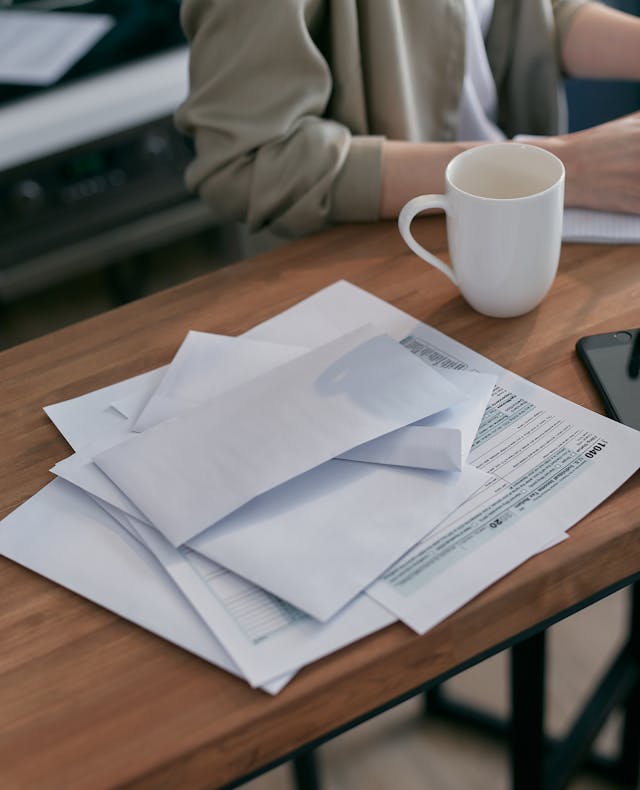
Photo by Mikhail Nilov
Learning From the Experience to Boost Luggage Safety
After dealing with stolen luggage, I always look for ways to stay safer next time. One bad experience can teach you a lot.
How to adjust after theft:
- Upgrade your bags: Switch to luggage with built-in locks, tamper-proof zippers, or less flashy brands.
- Refresh your habits: Start snapping photos and saving receipts every trip. Get in the routine of double-checking your luggage is always within sight.
- Invest in tech: Add a GPS tracker to each checked bag and learn to use the app before you travel.
- Travel light: Take fewer bags or shift to only carry-on, if possible. The less you check, the less you can lose.
- Update your insurance: If your policy didn’t cover what you lost, consider changing insurance or adding baggage protection.
Lessons learned from stolen luggage often lead to smarter travel habits. The small amount of prep makes a massive difference the next time you travel. Give yourself every possible advantage to keep your luggage safe—because a headache like lost bags should be a one-time-only event.
Conclusion
Strong luggage safety habits matter more than fancy gear. Smart packing, keeping valuables close, and using locks or trackers push thieves to look elsewhere. Visible tags help your bag stand out and also speed up claims if anything does go wrong.
Luggage theft is rare if you stay alert and follow a few simple rules. Most trips end with every bag right by your side. Take these steps before you travel and enjoy the journey with less worry.
Thanks for reading. Share your own luggage safety tips below so we can all travel a little safer together.