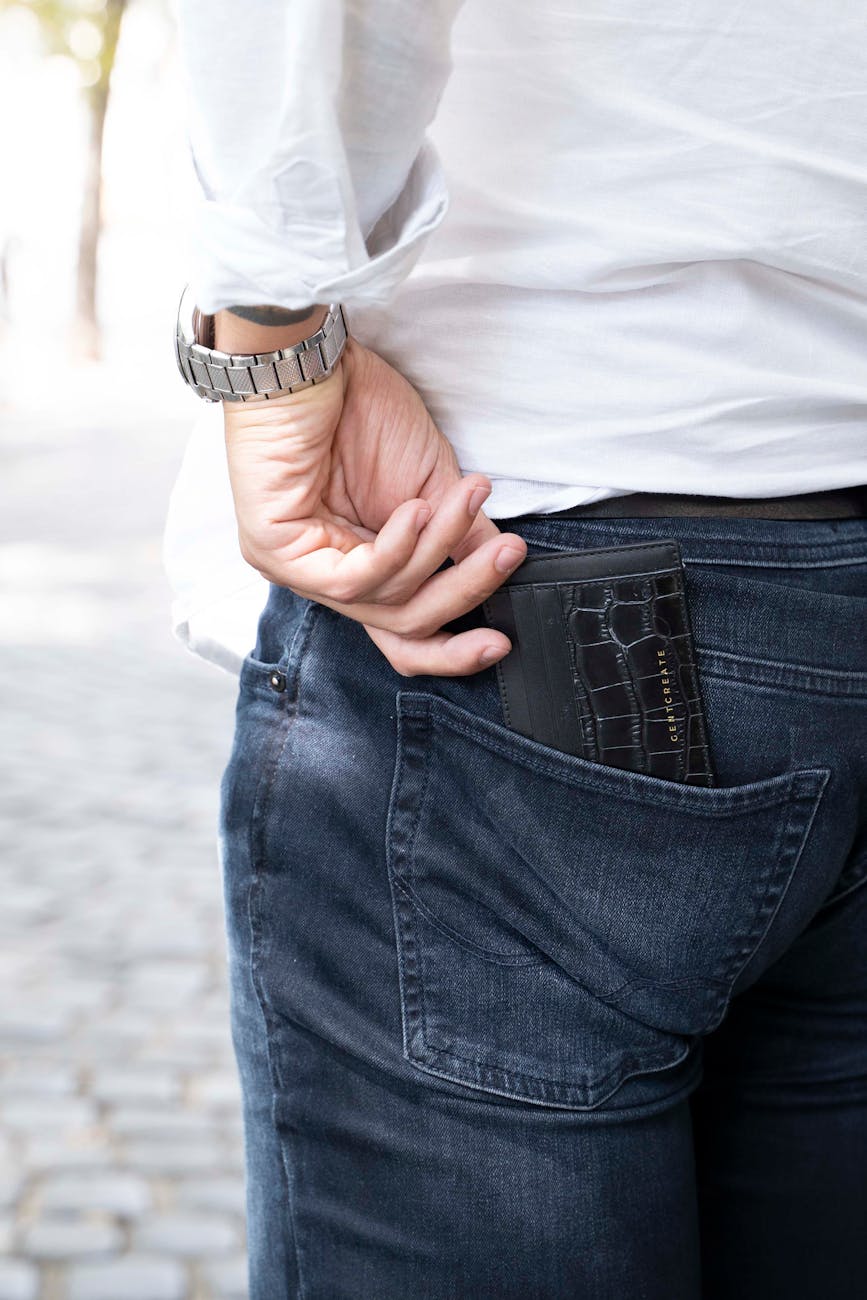
Crowded markets echo with street music, haggling voices and the rush of footsteps. Stalls overflow with bright fabrics, street food and souvenirs while the buzz of excitement masks another layer—working hands that slip through crowds, searching for easy targets.
Pickpocket gangs thrive in this chaos, blending in as tourists and locals brush past each other in narrow alleys. Markets in places like Rome, Delhi, Tokyo, Chicago and Barcelona are magnets for these crews, drawn by the sheer number of people and the scent of distraction. Their tactics can be bold or subtle, and their methods are always shifting.
Real stories matter because they pull back the curtain on how these gangs operate and catch travelers and shoppers off guard. When you understand the tricks and hear the warnings from those who’ve been caught unaware, you’re one step closer to protecting yourself. This post takes you into the heart of those stories, showing what really happens in the world’s busiest markets—and how to stay safe.
Inside the World of Pickpocket Gangs
Step into the crowded heart of any busy market, and you’re likely to brush shoulders with pickpockets who could be working right under your nose. These aren’t lone wolves—they’re teams that move as one, each player with a clear purpose. The stories hidden behind their silent glances and coded hand gestures reveal that behind almost every slick theft sits a network that runs like a well-oiled machine.

Photo by Wolrider YURTSEVEN
The Art of Distraction: Teamwork and Misdirection
Pickpocket gangs don’t rely on luck—they rely on skillful distraction. Using planned chaos, they turn the market crowd into cover for their work. Imagine standing by a fruit stall when, suddenly, a spill draws gasps and a hasty cleanup begins. That staged accident? It’s often a gang’s opening move. While you help or just watch, someone else is already working your pockets.
Some classic moves I’ve seen in stories and surveillance footage include:
- The Bump and Lift: One member bumps or jostles the mark as another “accidentally” brushes by and extracts a wallet.
- Spill and Swipe: Soda or sauce spills “by accident,” leading you to clean up while sticky hands find your purse or bag.
- The Human Shield: A group forms a wall to block lines of sight; while your focus is on the noisy distraction, another team member fishes out your valuables.
- Tourist Assistant: Someone offers help with directions or points out a market stall, while another slips your phone out of your jacket.
Gangs often communicate with subtle nods or quick, coded words—just enough to coordinate without alerting those around them. In some cases, a lookout will trail the target, scouting for police or spotting easy marks lost in thought. According to the Metropolitan Police crime prevention page, every move is designed to keep your eyes and attention anywhere but your own pockets.
Most teams split the loot right after the job, meeting in side streets far from the scene. In big cities like Delhi or Barcelona, these gangs can hit dozens of targets a day, blending into crowds like phantoms.
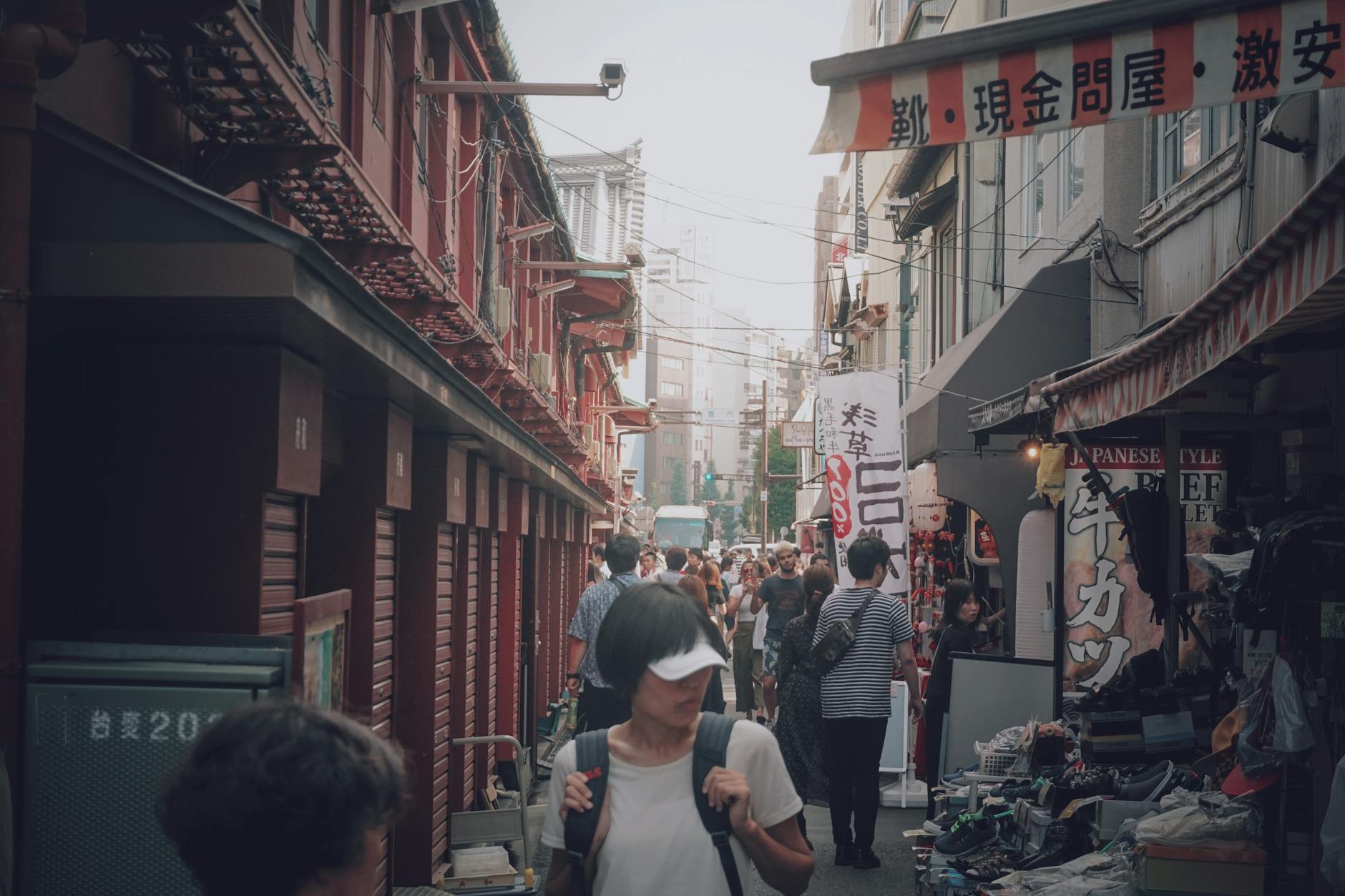
Codes, Roles, and Recruitments
There’s a special rhythm in how these gangs are built, complete with slang and roles passed down through stories and whispered instructions. Gangs create their own hierarchy, sometimes using code names to hide real identities. The roles can include:
- The Stall (Distractor): Creates the diversion.
- The Tool (Extractor): The actual picker, known for quick hands.
- The Shade (Lookout): Watches for trouble—cops or potential heroes.
- The Mule: Carries and hides the loot after the grab.
In my research, I’ve found that a typical crew even gives itself a unique crew name or borrows from street language. For example, the term “whiz mob” refers to a pickpocket gang, while “booster boxes” is slang for places they stash stolen goods. The Sneaky Pickpocketing Glossary opens up a fascinating peek into this coded world.
Recruitment isn’t always dramatic. Sometimes it’s a young kid pulled in by a cousin or neighbor, promised quick cash and a sense of belonging. Women or older adults, who seem less suspicious, also get drawn in. Some are trained for weeks using fake wallets tied with string, practicing till they’re operatives trusted with real marks. In cities around the world, gangs sometimes follow unwritten rules about never picking in their own neighborhood or avoiding violence to keep law enforcement off their scent.
It’s a closed world with its own traditions, but those on the outside can spot patterns. They act as one body, blending in until it’s too late. By understanding the structure and role-play inside these gangs, you start to see the market not just as a shopping spot, but as a stage where actors play out carefully rehearsed scenes, all in broad daylight.
Famous Crowded Markets and Notorious Incidents
Crowded markets carry a certain kind of energy—an urgent mix of sounds and movement where everyone seems to be on a mission. Within this rush, some take advantage. The most famous markets worldwide have seen ingenious pickpocket schemes and unforgettable stories of theft. Let’s step into these busy places and see how pickpocket gangs make their mark.
Barcelona’s Las Ramblas: Europe’s Pickpocket Epicenter
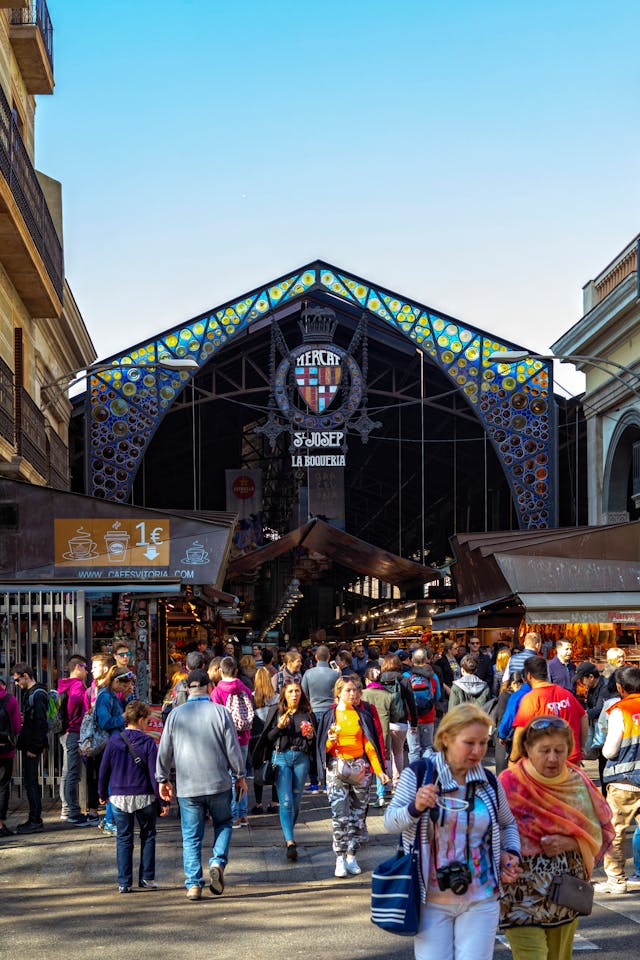
There’s no place quite like Las Ramblas when it comes to brush-ins with pickpockets. This iconic boulevard is a magnet for tourists with its street performers and outdoor cafés, but it’s also ground zero for thieves. Groups often blend in with the swarm of selfie-takers and vacationers, their eyes constantly scanning for those distracted by the city’s rhythm.
What makes Las Ramblas notorious isn’t just the volume of incidents, but the boldness of the tactics used:
- The famous “Bird Poo Scam”: A sudden splatter on a tourist’s shoulder, followed by a helpful local with tissues—while the wallet disappears from the other side.
- Classic group distraction: A swarm of children creates a sudden fuss, or someone drops change at your feet, drawing eyes and hands away from bags.
Local police constantly warn visitors to keep their bags close and use inside pockets. Survivors’ stories, like the tale of a visitor whose phone vanished from a zipped backpack in seconds, are a stark reminder of how fast these gangs work. For more real experiences and local crime tips, take a look at these first-hand Barcelona pickpocket stories and ongoing discussions about La Ramblas safety.
Even with stepped-up police patrols and warning signs, the atmosphere is electric, full of both promise and danger. For an outsider, every jostle can feel like a game of chance.
Market Mayhem in Delhi and Marrakesh
Markets in Delhi and Marrakesh create a feast for the senses—sizzling street food, rainbow colors of spices, and a sea of people haggling for deals. Here, pickpocketing becomes a high art, with street-smart gangs using tricks honed over decades.
In Delhi, spots like Sadar Bazaar are infamous for their fast-fingered thieves. Local gangs even have nicknames, like the “Khujli Gang”, who use itch-inducing powder as a diversion—while you scratch, they snatch. Police struggle to keep up, with cases piling up well into the hundreds each year. Some gangs work so smoothly that witnesses remember only the blur of movement and the wave of bodies as wallets vanish. If you ever explore such markets, keep in mind that almost anything can be a setup: sudden crowd surges, dropped items, or fake quarrels.
Stories spill out in every direction. A shopper loses their phone after a staged fall by a vendor. Another has their purse lifted when a friendly stranger points out a good deal or “accidentally” spills tea. The secrets of Delhi’s pickpocket underworld and the personal stories of local thieves reveal just how sophisticated and relentless these groups really are.
Marrakesh’s souks echo with a similar beat. Narrow alleys and endless crowds offer perfect cover. Here, pickpockets often work in pairs or trios, weaving through the chaos while visitors are lost in the swirl of scents and shouted prices. Even regulars describing the scene say it’s the “art of the snatch and vanish”—one second your wallet’s safe, the next it’s gone, replaced by nothing but laughter and the roar of deals.
Venice, Paris, and St. Petersburg: Crowds and Opportunity
Europe’s heavyweights—Venice, Paris, and St. Petersburg—draw millions every year for their beauty, but their packed markets and squares are perfect terrain for pickpocket gangs.
In Venice, narrow bridges and jammed vaporettos become hotspots. Thieves often move in small groups, boxing in tourists at bottlenecks and seizing the chance to unzip purses or backpacks while you’re absorbed in a map or selfie. Stories of daylight thefts near famous sites like the Rialto Bridge are so common, locals warn even seasoned travelers.
Paris sets its own stage. The area around the Eiffel Tower, metro stations, and even chic markets in the Marais host small crews who rely on confusion and crowd surges. A classic approach: one distracts with a petition or a map, while another works quietly, lifting valuables from open bags. These groups often include children—nimble, quick, and almost invisible in the crush.
St. Petersburg tells another story. There, pickpocket gangs find easy pickings in tourist-heavy streets and bustling public transport. Locals recall “the bump and grab,” where two or three individuals surround the target, jostling while the third makes off with the prize. Tales from both locals and tourists fill online forums, and detailed accounts of what to watch for can be found in real stories about pickpocket gangs in St. Petersburg.
Each of these places proves that where crowds gather, the risk rises. These cities remain as enchanting as ever, but for a traveler in the middle of the throng, the chance of losing your wallet is as real as the thrill of the marketplace itself.
Lessons Learned: Staying Safe Among Pickpocket Gangs
Staying one step ahead of pickpocket gangs starts with understanding how they pick their marks and what you can do to avoid becoming a victim. Over time, real stories and on-the-ground advice have shaped strategies that work not just for tourists but also for locals who spend time in busy markets. You don’t need to be paranoid, just street smart, and prepared to act fast if things go wrong. Here’s what I’ve learned from both the tales of victims and the playbooks of the thieves themselves.

How Thieves Choose Their Targets
Pickpocket gangs thrive on patterns. They spot distracted people the way a hawk spots a mouse from the sky. Their common targets often share these traits:
- Obvious tourists: People snapping photos, staring at maps, or pausing to admire a display. A camera around your neck sends a signal.
- Easy to access bags and pockets: Open tote bags, purses without zippers, or wallets bulging in back pockets invite sticky fingers.
- Distracted or rushed individuals: If you’re wrangling kids, juggling shopping bags, or intently searching your phone, you become an easy mark.
- Showcasing valuables: Smartphones, fancy watches, or thick wallets flash like bait. Even a simple act like pulling out a wad of cash at a market stall gets noticed.
Gangs often send a “scout” to watch the flow of people. Once a vulnerable person is spotted, the rest of the team moves into position using classic distraction tactics. Sometimes, thieves target couples where one is distracted with photos, or families who slow down at tourist traps. In every story, the moment of theft is so quick and quiet that the victim hardly feels a thing.
Protecting Yourself: Practical Strategies for Busy Markets
If you want to blend in and keep your wallet safe, a few habit changes matter more than the fanciest anti-theft gear. Here’s what works based on lessons from real victims and travel experts.
- Keep valuables out of sight: Use inside pockets, money belts, or neck pouches under your clothes. A slim crossbody bag that zips up, worn in front, is far safer than a swinging backpack.
- Don’t flash your stuff: Pay attention to what’s visible. Avoid counting money or opening your wallet in the open. If you need to use your phone, step aside and stay aware.
- Cut down what you carry: Only bring what you truly need—one credit card, a bit of cash, copy of your ID. Leave the rest at your hotel or home.
- Stay alert in crowds: Be extra cautious while boarding public transport or when traffic slows to a crawl. It’s in these tight spaces where the pickpocket gangs thrive.
- Secure your bag: Always keep your bag in front of you with a hand on it. On trains or buses, stand with your back to a wall if possible.
From reading through forums like Any Advice on Avoiding Pickpockets? and stories such as Outsmarting Pickpockets and Thieves, I noticed that seasoned travelers swear by blending in and moving with purpose.
When it comes to choosing anti-theft gear, not all solutions are created equal. Some favor hidden waist belts; others go for anti-slash straps or RFID-blocking wallets. While those offer extra security, your best protection comes from how you carry yourself and your belongings. For a detailed comparison of the top travel tips, check out this list of eight ways to protect yourself in crowded places.

What to Do If You Become a Victim
Despite all precautions, sometimes pickpockets still get the upper hand. If you realize your wallet or phone is missing, quick action gives you the best chance to recover or at least limit the damage.
- Stay calm and move to a safe spot. Step out of the rush and check your belongings thoroughly. Sometimes, thieves target only one item, and it’s best to know exactly what’s missing.
- Report the theft immediately. Tell local police and get a report—needed for insurance claims or credit card disputes. In markets with security patrols, inform them as soon as possible.
- Lock down your finances. Call your bank or use your app to freeze cards and accounts. If your phone was stolen, use tracking or “find my phone” features while the battery lasts.
- Ask for help from bystanders. Some market staff and vendors see pickpocket gangs all the time. They might guide you to security footage or know which direction the thief ran.
- Update passwords and alert others. If sensitive info is compromised (like IDs or passwords in your wallet), change logins and notify anyone who might be affected.
After the shock wears off, don’t be too hard on yourself. Even seasoned locals have a story about a lost wallet or vanishing phone. Accept help, document what happened, and share your experience—each new story helps someone else stay sharp. For inspiration and a bit of comfort, I found detailed accounts worth reading in places like Barcelona Pickpockets Real Life Stories and this eye-opening Confessions of a Pickpocket Victim.
Fast thinking, trusted advice and a little empathy for yourself will go a long way if you find yourself on the wrong side of a quick pair of hands. The best you can do is move forward smarter, ready for the next bustling market adventure.
Conclusion
Stories from packed markets stick with me, not just for the tricks and narrow escapes, but for the lessons in alertness and resilience. The faces in those crowds—locals, travelers, and thieves—remind me how small moments can shape memories, good or bad. Each loss and hard-won recovery shared by others builds a map of what to watch for without robbing the joy from wandering among bright stalls and bustling crowds.
I carry these stories as a guide, not a warning to hide, but an invitation to look closer and stay sharp while enjoying the lively energy of new places. Stick with the habits that work and trust your instincts, but hold on to your sense of wonder. Thanks for reading—share your own stories, and let’s help each other keep market days safe and full of color.