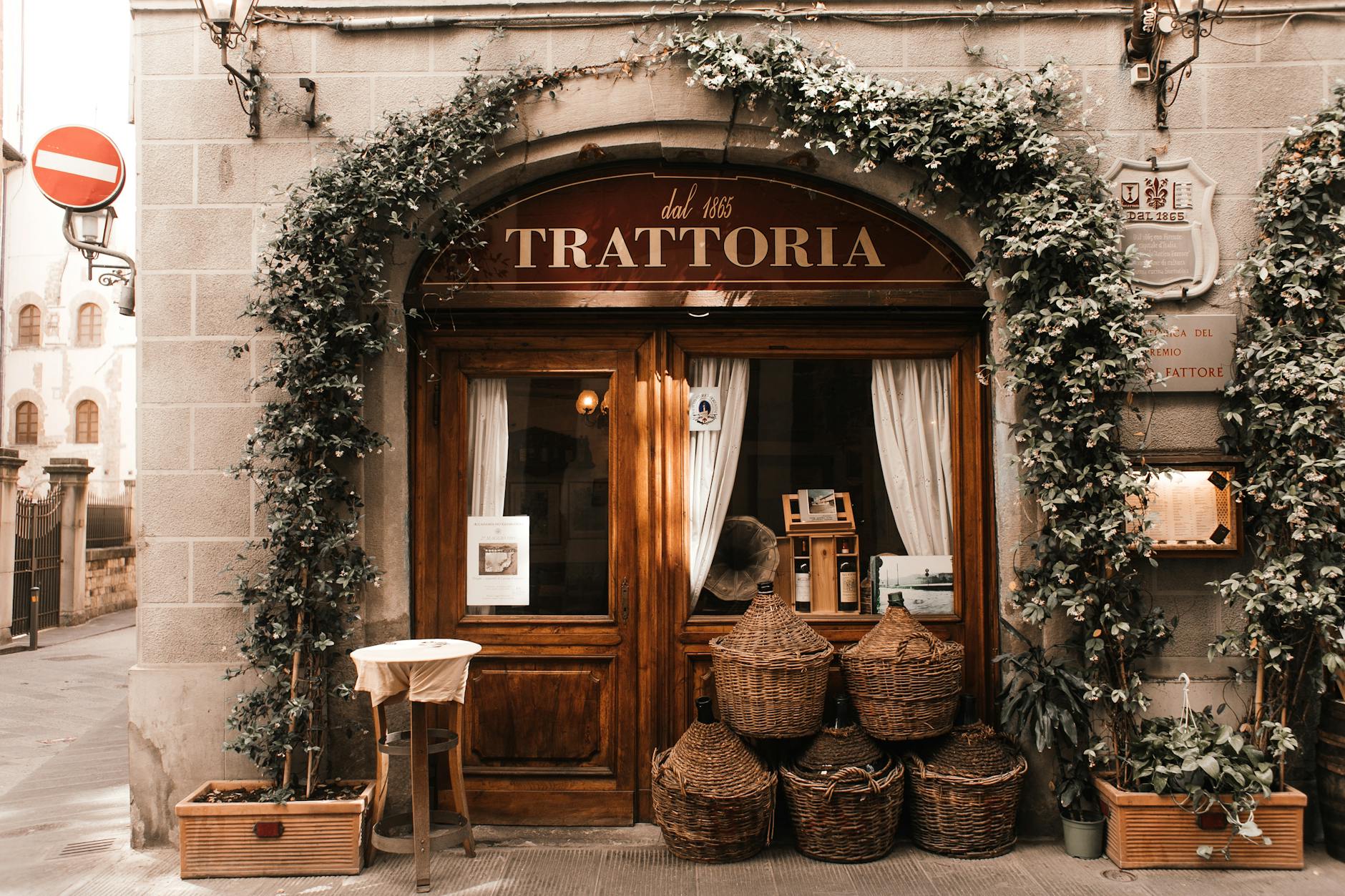
When you leave the crowds behind, you discover recipes and ingredients that tell a story. The cooks take pride in what they make, and you can taste that homemade care in every bite. Exploring small town kitchens isn’t just about good food—it’s a way to connect with the place and its people. If you’re after honest flavors, warm smiles, and something you can’t find anywhere else, the real adventure starts where the tour buses stop.
Why Small Towns Offer Unforgettable Culinary Experiences
Big city restaurants might grab the spotlight, but the best bites often wait in smaller places far from crowds. Something special happens when a town’s food comes straight from nearby fields, cherished family recipes, and the strong sense of local pride. These places remind us that real flavor comes from the heart, not just a well-set table.
Local Ingredients and Farm-to-Table Traditions
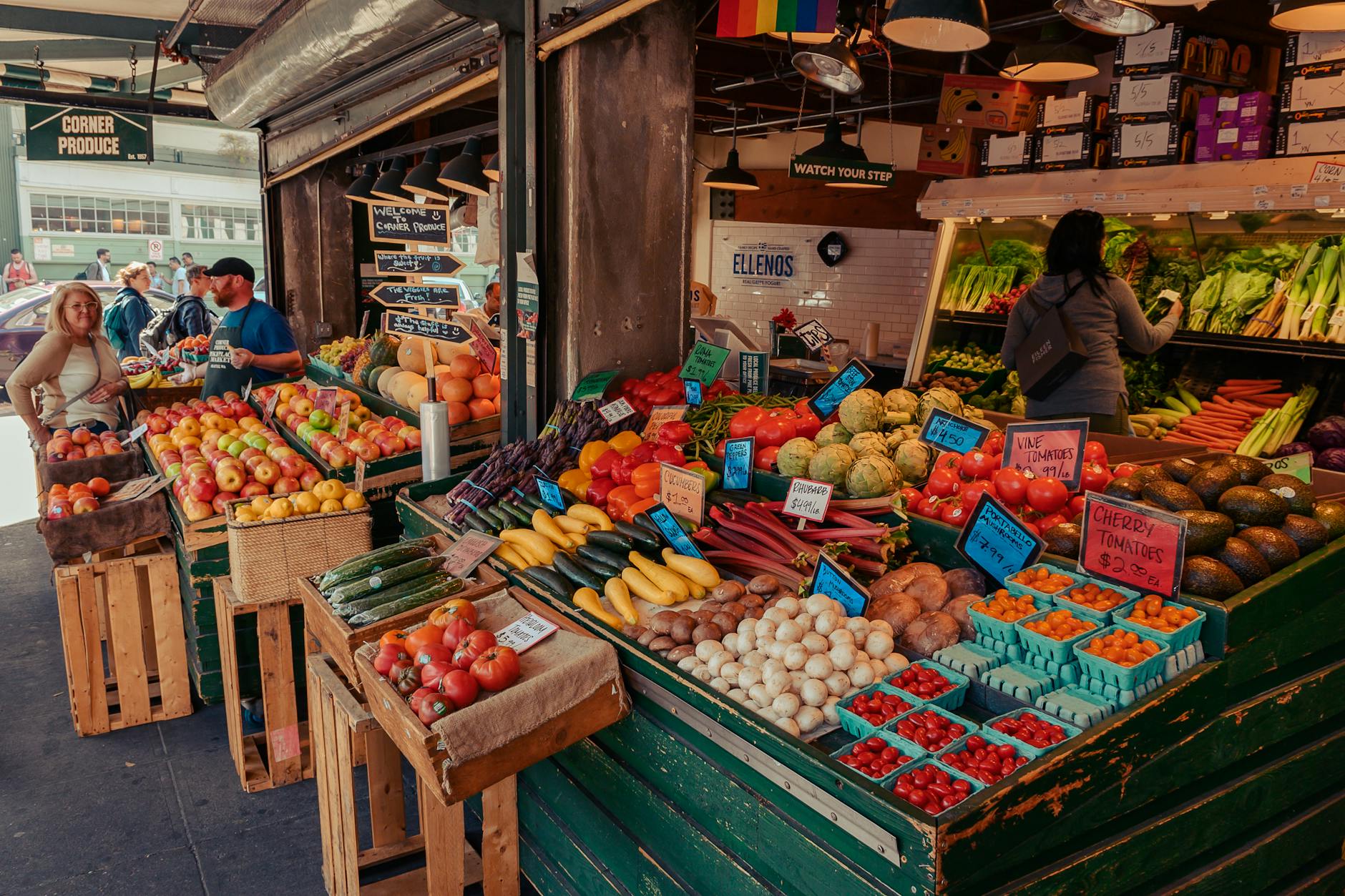
In small towns, the farm-to-table movement isn’t a trend; it’s a way of life. Local cooks pop into markets where they know the farmers by name. Eggs are fresh, vegetables are picked that morning, and the meat may come from just down the road. These fresh ingredients make a difference you can taste.
Many of these communities also practice sustainability long before it became a buzzword. They rely on:
- Seasonal menus: Dishes reflect what’s growing right now, so you always get peak flavor.
- Local suppliers: Butchers, dairy farms, and orchards shape what’s being served.
- Simple recipes: With ingredients this good, there’s no need to mask flavors or overcomplicate things.
When you step into a small-town eatery, you’re tasting the region itself. The herbs in your soup might grow just behind the kitchen. This kind of connection to the land is nearly impossible to find in most tourist-heavy areas, making each meal a true local experience.
Generations-Old Family Recipes and Hidden Eateries
In small towns, family stories are often written in cinnamon, gravy, and heirloom tomatoes. The best restaurants might be tucked behind a gas station or inside a house with a hand-painted sign. Many have stayed in the same family for decades.
These dining spots, sometimes little more than kitchens with a few tables, serve food with soul. Grandmothers pass down their handwritten recipes, and these guide the hands of today’s cooks. Expect to find:
- Hearty stews simmered slowly, just like they were a century ago
- Homemade pies with local fruit and crusts rolled by hand
- Secret spice blends and sauces that never change, protected like family heirlooms
One meal might come with stories about a great-grandfather who started the business. Another dish could be famous among locals but unknown beyond town borders. Searching for food in these places feels like finding a secret treasure, where each bite reveals layers of history and care.
Community, Storytelling, and Authentic Hospitality
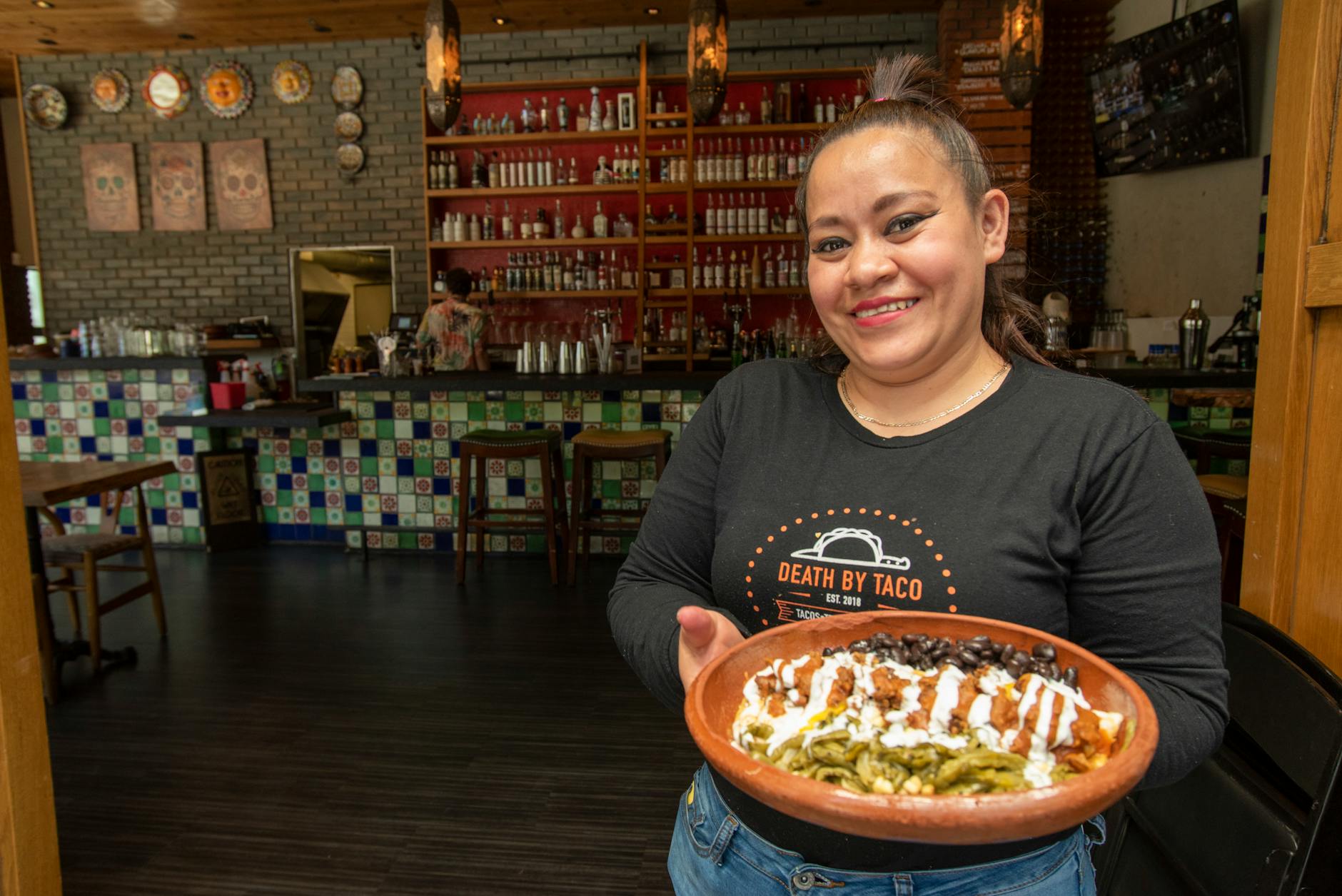
The charm of small town dining often comes from the people more than the plates. Here, the owner might pour your coffee, and you’re just as likely to chat with the chef as with your server. Hospitality feels sincere because it is.
Meals aren’t rushed. Folks are happy to share stories—how the restaurant started, the reason behind a dish, or details about where the ingredients come from. You’re not just a customer; you’re a welcome guest.
A meal might include:
- Warm greetings and real conversation that make you feel like part of the family
- Menus with backstories for the dishes, so you know the heritage behind them
- Time to enjoy your food and ask questions—no one’s rushing you out the door
Eating in a small town means you experience more than food. The care, pride, and sense of community turn a meal into a memory. Long after you leave, it’s the faces, stories, and friendliness you’ll remember most.
Regional Specialties Worth Traveling For
When you get out of the tourist crowds and into small towns, the food tells a deeper story. Each region has its own signature dishes that locals crave and guests talk about for years. Think handmade, slow-cooked, or just-freshly-caught. The best flavors often come from places where recipes are part of the town’s roots and where cooks want you to experience their local pride. Here are a few dishes that give you a real taste of place.
Chimney Cakes in Rural Transylvania, Romania
Drive through the hills and forests of Transylvania and you’ll come across the sweet smell of chimney cakes, or kürtőskalács, baking over open coals. These spiral-shaped pastries start as strips of yeast dough, hand-wrapped around a wooden spit. The dough gets rolled in sugar, sometimes with cinnamon or walnuts, and roasted until it’s golden and caramelized.
In small Transylvanian villages, families have been making chimney cakes for generations. At market stands and village fairs, you can watch as these cakes get turned slowly over the fire, with their sugar coating crackling and caramelizing right before your eyes. Locals tuck into them warm, often pulling off pieces with their hands. The outside has a glossy crunch while the inside stays pillowy and soft.
Skip the city kiosks and try chimney cake in its home turf—a real local will offer theirs crisp and hot, maybe even with a secret blend of spices. You’ll taste the kind of sweetness you can’t find in any tourist bakery.
Cheese Curds and Supper Clubs in Wisconsin, USA
Wisconsin’s small towns are cheese country through and through, but cheese curds are something special. These squeaky, fresh bites are best enjoyed straight from the dairy in towns far from city crowds. Real cheese curds should squeak between your teeth. Locals love them plain or lightly battered and fried until just golden.
Outside of cheese shops, Wisconsin’s supper clubs serve up even more small-town comfort. These restaurants, often set by lakes or forest roads, are known for slow service (in the best way). People come for classic dishes like prime rib or walleye, but the real treat often comes before the meal—a basket of cheese curds to share.
What makes supper clubs stand out?
- Laid-back, neighborly vibe where everyone feels welcome
- Old-school touches like relish trays, candlelit tables and strong brandy Old Fashioneds
- Generations-old recipes, unchanged since the 1950s
If you’re after the true flavor of rural Wisconsin, the combination of fresh cheese curds and a supper club dinner is impossible to fake. Pair it all with friendly conversation and you’ll see why locals keep coming back, week after week.

Seafood Chowder in Coastal Ireland
Along Ireland’s rugged coasts, small fishing towns put their heart into every bowl of seafood chowder. Here, the air smells of salt and seaweed, and the chowder reflects what was caught that morning. Each town has its take—some go for a creamier base, others for clear broth, but every bowl brims with local shellfish, flaky fish, and often some smoked haddock for depth.
Pull up a chair in a pub by the harbor and you’ll find chowder thick with mussels, clams, and chunks of white fish, along with potatoes and carrots. Homemade brown bread sits on the side—perfect for dunking. What sets these chowders apart isn’t just the freshness of the seafood, but the way cooks add a handful of herbs from their garden or a touch of stout.
Usually, you’ll see:
- Bowls filled with whatever is freshest, so every visit is a little different
- Recipes passed down from grandmothers, sometimes guarded like family secrets
- Friendly debate between towns over who does it best
Don’t settle for a tourist menu in Dublin. Make your way to a small harbor town and order chowder at a spot where boats bob just outside the window. This is comfort you won’t forget, especially if rain’s picking up outside.
Mole in Oaxaca’s Mountain Villages, Mexico
Oaxaca’s moles are famous, but you haven’t tasted the real thing until you try it high up in the region’s mountain villages. Each village—and often each family—has its signature version. Mole can be red, black, yellow, or green, with recipes blending local chiles, chocolate, seeds, nuts, and spices. Some have up to twenty ingredients!
In these villages, mole isn’t just a meal—it’s part of big events and celebrations. You’ll see grandmothers toasting seeds and peeling chiles over open flames, grinding everything by hand. A dish of mole from a mountain cook will taste smoky, rich, and deeply layered, with flavors you keep chasing after each bite.
What makes mountain village mole stand out?
- Use of unique, local herbs like hoja santa and avocado leaves
- Hand-grinding and hours-long simmering for depth of flavor
- Traditionally served over chicken or turkey with handmade tortillas
It’s more than sauce—mole is a symbol of Oaxacan heritage, family, and home. Finding it in a quiet mountain village, perhaps during a fiesta, is a food memory that will stick with you long after you leave.
How to Find Authentic Small Town Food Experiences
Finding the best local flavors outside tourist centers takes a bit of curiosity and a dash of confidence. When you skip the obvious stops and dig just a little deeper, you’ll uncover meals made with care and history. Forget glossy travel guides for a moment. The real gems reveal themselves when you listen to the people, look at the walls, and peek into the spots locals love most. Here’s how you can taste the most honest food each small town has to offer.
Talking to Locals and Using Community Boards
Locals are your best guides to hidden food treasures. Most people love sharing their favorites, so don’t be shy about asking for suggestions. A simple chat with your innkeeper, the barista, or someone browsing at the market can lead to incredible meals you’d never find alone.
- Start small: Ask the person pouring your coffee where they go after work for something good to eat. Often, they’ll point to spots without fancy signage but rich with flavor.
- Look for regulars: Restaurants filled with laughing locals, not just out-of-towners, are almost always a safe bet.
- Check community boards: Many towns have bulletin boards at grocery stores, post offices, or bakeries. These boards list everything from Friday fish fries to church bake sales—exactly the kind of home-cooked events outsiders rarely hear about.
Always listen for excitement in someone’s voice when they mention a place. If their eyes light up, jot down that name. And if you see a flyer for a pop-up dinner or a seasonal farm stand, you’ve struck gold. Authentic food in small towns is often announced the old fashioned way—one poster, one voice at a time.
Exploring Markets and Attending Local Festivals
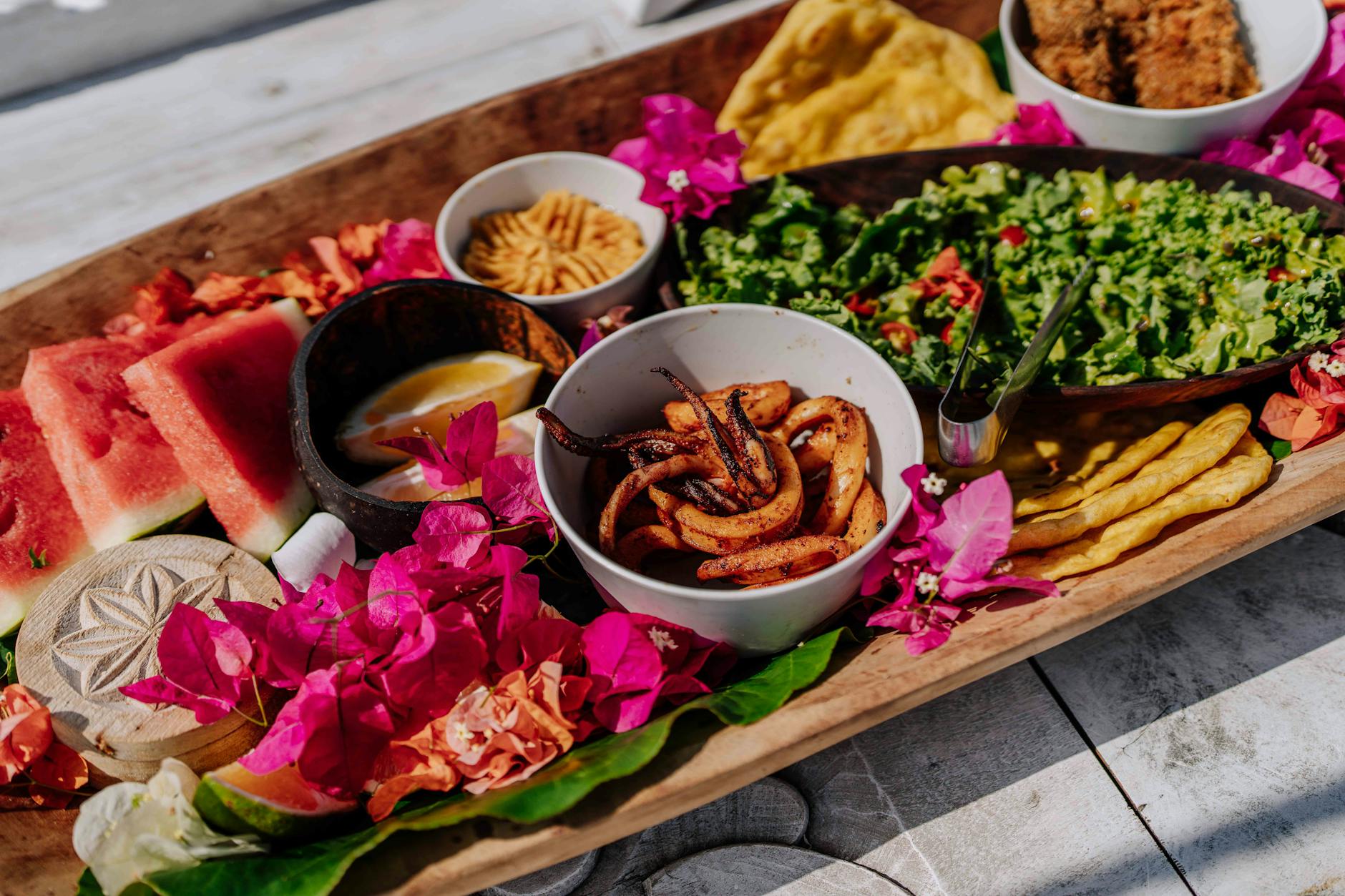
Markets and festivals offer a shortcut to a town’s best food traditions. Small town markets, whether weekly or monthly, buzz with the freshest local produce, homemade goods, and regional specialties. Here, you taste right where the food is made and meet the people who grew or cooked it.
- Visit early: Get to the market at opening time for the best selection of bread, pastries, cheese, and more. Early visits also mean longer, less hurried chats with vendors.
- Taste everything: Many market stalls offer samples. Don’t hesitate to try that new jam or fresh sausage. Vendors are proud of their work and happy to explain their process.
- Join local festivals: From apple harvests to crawfish boils, festivals are where families bring out their most treasured recipes. You’ll find foods not listed on any menu as neighbors compete for bragging rights.
Some towns even hold pie contests, chili cook-offs, or oyster shucking competitions. These events give you the chance to taste small batch, passed-down dishes made with local pride. Plus, the community spirit is infectious—you get food and friendship in one go.
Leveraging Food Blogs and Social Media
Modern tools can help you shortcut the search. Many passionate food lovers blog about their finds or post mouthwatering photos on social media. With a few smart searches, you can spot where locals actually eat and what’s in season right now.
- Check Instagram and Facebook: Search hashtags tied to the town, like
#SmithvilleEatsor#MainStreetMarkets. Scroll past sponsored posts and look for candid shots and honest reviews. - Read local blogs: Many towns have bloggers who chronicle their food adventures—often with more honesty than big-name guides. Their recommendations tend to highlight quirky diners, family-run bakeries, and hidden gems far from tourist lines.
- Use recent posts: Look for posts and reviews dated within the last few weeks. Menus and ownership can change quickly in small towns, so fresh info is your best friend.
When you use the digital grapevine to point your way, you’ll find the little-known food trucks, pop-up cafes, and favorite back-alley grills. Combine these tips with what you learn from locals, and you’re sure to collect flavors and stories that last far beyond your trip.
Conclusion
Stepping away from crowded tourist spots opens up a world of honest, unforgettable meals. In small towns, food feels genuine and leaves a real mark on your memory. You connect with people who care about what they serve and learn the stories behind each dish.
Trying these local spots turns every meal into its own adventure. Real flavors and warm welcomes come easy when you’re off the beaten path.
Next time you plan a trip, trade busy restaurants for the hidden gems beyond the city center. You might just come home with new friends, new tastes, and stories to share. Thanks for reading—share your own favorite small town eats or comment with places we should feature next.



![Travel Safety Tips for Solo Women Travelers [Up-To-Date Guide]](https://advicefortravel.com/wp-content/uploads/2024/04/pexels-photo-5505343.jpeg)