
More women are choosing to travel alone than ever before, enjoying the freedom and adventure it brings. At the same time, safety remains top of mind for many solo women travelers. It’s normal to feel both excited and a little nervous about new places, unfamiliar cultures, or being on your own in a new city.
Knowing how to stay safe can help you relax and get the most out of your journey. This guide shares easy-to-follow tips that help you feel confident and stay safe while exploring the world on your own.
Pre-Trip Preparation
Smart planning before your trip helps you feel confident, secure, and ready to enjoy every moment. By putting effort into the details now, you set yourself up for more freedom and less stress when you arrive. Here’s how to get started with simple steps to protect yourself and make informed choices.
Researching Destinations and Local Customs
Start with basic research about your target destination. Look into cultural norms, dress codes, and daily routines. Knowing what’s normal and what stands out helps you blend in and avoid awkward or risky situations.
- Check travel advisories on your government’s website for updated safety alerts and advice.
- Map out safe neighborhoods using recent blogs, travel forums, and official tourism sites. Avoid areas mentioned frequently as unsafe, especially at night.
- Learn about local customs, such as greeting etiquette, tipping, and gender roles. Understanding these habits helps you feel less like a target and more like a traveler who fits in.
- Get tips from online communities or social platforms where women travelers share firsthand experiences.
Small steps like these make it much easier to find your way and keep a lower profile, especially if you’re visiting a country with different standards for women.
Booking Accommodations with Safety in Mind
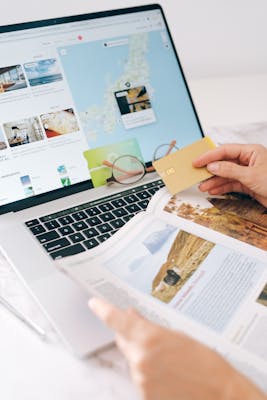
Where you stay plays a big part in how comfortable and safe you feel. The right place lets you relax after a long day and can even help you meet helpful people.
- Choose well-reviewed places on trusted booking platforms, focusing on recent reviews from solo women.
- Look at maps to pick accommodations in busy, central locations near public transport and well-lit streets. Avoid isolated areas.
- Check if the property has secure entrances, 24/7 front desk staff, and working locks on windows and doors.
- Some hostels and hotels cater only to women or offer women-only dorms or floors for added peace of mind.
Don’t be shy about contacting places to ask about their security measures or guest policies. Trust your gut if something feels off in the reviews or communication.
Packing Smart and Staying Connected
What you bring and how you plan to stay in touch can make a big difference in how safe you feel on the go.
Pack a few key items that boost safety:
- Personal alarms or whistles
- Portable door locks or wedges for your room
- Copy of important documents (passport, ID, travel insurance), plus digital backups
- Power bank for your phone so you’re never left without battery
- Comfortable, discreet clothing that matches local styles
Before you leave, share your full trip details with someone you trust. Include your flight info, hotel addresses, and travel schedule. Set regular check-in times, even if it’s just a quick text or call.
Keep emergency contacts saved in your phone and written down somewhere secure. Know the local emergency numbers and the address of your country’s embassy or consulate.
A blend of thoughtful research, safe sleeping spots, and mindful packing makes solo travel smoother and safer, giving you more time to focus on what matters—enjoying your journey.
Safety Strategies During Travel
Staying alert on the move is just as important as choosing the right hotel. Busy stations, crowded buses, and new neighborhoods can be confusing, but a few smart routines help keep you safe at every step. Below you’ll find tips for getting around confidently, blending in, and making sure your valuables stay secure.

Transportation Safety Tips: Guidance on using public transport, taxis, and ride-sharing safely
Using public transit and ride-sharing can save time and money, but solo women travelers know that safety comes first. It’s smart to trust your instincts and plan ahead so you can travel without worry.
- Before leaving your hotel, plan your route. Know the stops or stations you’ll use, and check schedules if you can.
- Stick to busy, well-lit stations and avoid empty carriages or waiting areas, especially late at night.
- Keep your bag or backpack close—wear it on your front in busy spots to avoid pickpockets.
- Sit near the driver if you’re on a bus or tram, and stay alert to your surroundings.
- Use only official taxis or trusted ride-sharing apps. Always confirm the driver’s name and car details before getting in. If something feels wrong, trust your gut and walk away.
- Share your ride details with a friend or family member, especially if you’re using a ride-share at night.
- Don’t share rides with strangers you meet on the street, no matter how friendly they seem.
Looking confident and prepared can help you avoid being targeted. Keeping a simple routine also means less stress and more fun as you explore.
Blending In and Avoiding Unwanted Attention: Advice for dressing, behaving, and navigating unfamiliar places confidently to reduce risks
Keeping a low profile helps you fit in and avoid unwanted attention. A few simple habits go a long way in keeping you safe.
- Dress to match local styles. Pick clothes that help you blend in, not stand out. Use scarves or shawls in places with stricter dress codes.
- Skip flashy jewelry or expensive bags, and leave high-value items at your hotel if you can.
- Walk with purpose, even when you’re not sure where you’re going. If you need to check your phone or map, pause in a safe, well-lit area.
- Keep headphones off in busy areas, so you can stay alert to traffic, announcements, or anyone nearby.
- Be friendly but firm if someone is too pushy or persistent. A simple “no” or ignoring rude comments is often safest.
- Avoid sharing too much info about your plans or where you’re staying. Being vague keeps you in control.
Staying confident and relaxed, even when things are unfamiliar, helps you enjoy every moment without drawing unwanted attention.
Managing Finances and Valuables Securely
Handling money well helps you dodge scams and theft. Keep things simple and use a few easy tricks to lower risk.
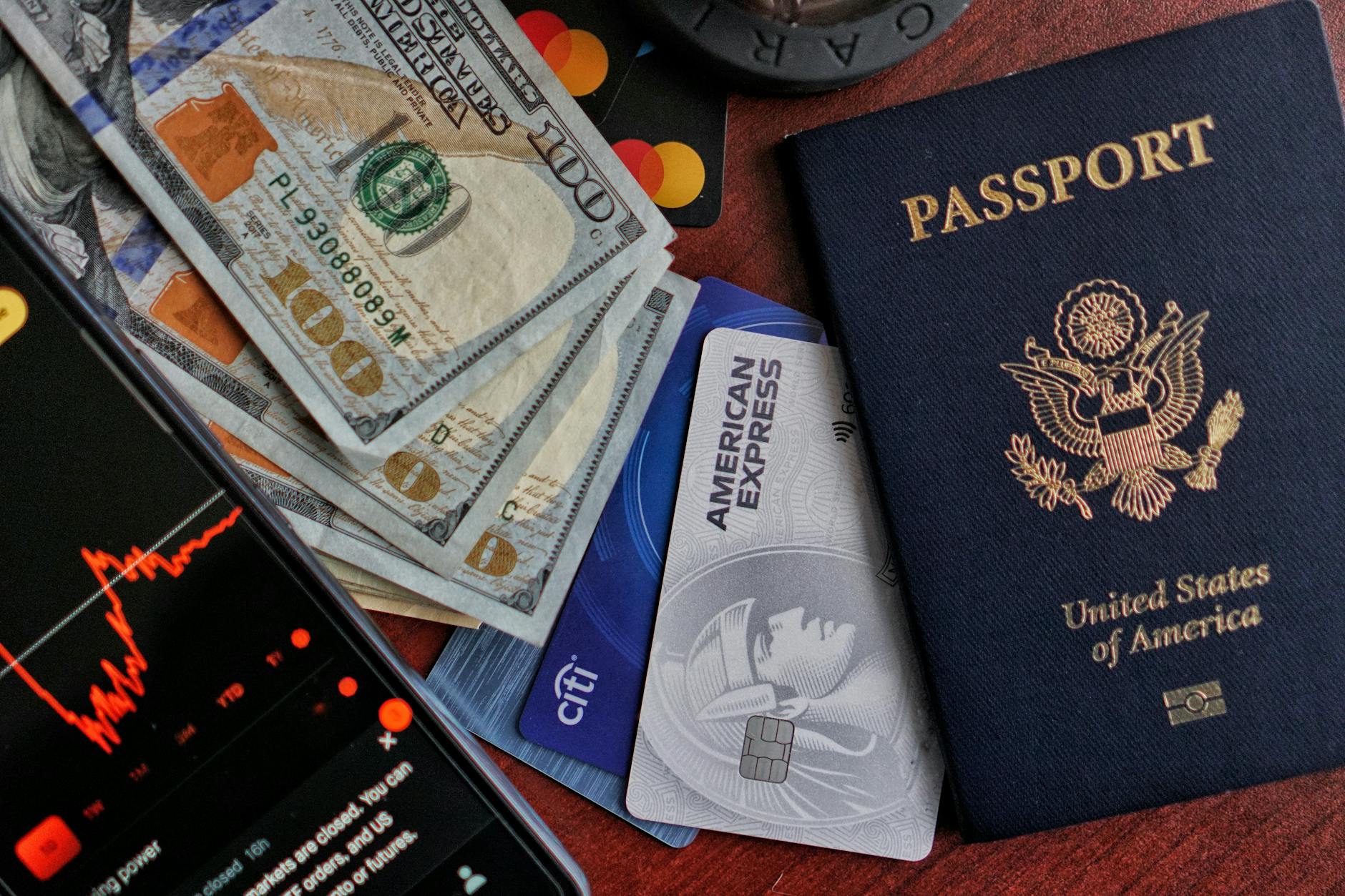
- Carry only what you need for the day—keep extra cards, cash, and your passport safe in your room.
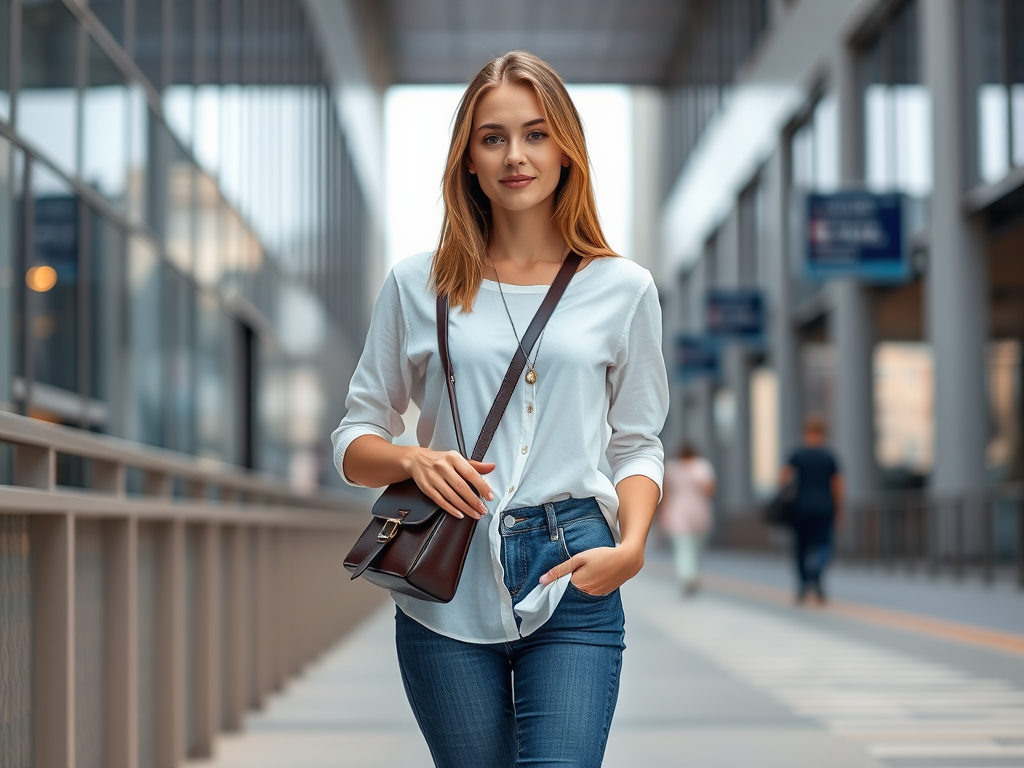
- Use a crossbody bag with zippers or a money belt under your clothes for better security.
- Split your cash and cards. Store some in your bag and a backup in a hidden pocket or shoe.
- Avoid counting money or showing large amounts in public. Find a quiet spot for cash exchanges or ATM use.
- Pick ATMs inside banks or busy, well-lit stores instead of quiet corners or streets.
- Turn on card alerts and set spending limits using your banking app. You’ll know fast if something odd happens.
- Make digital copies of key documents like your passport and credit cards in case you lose them. Store them in an encrypted app or send them to a trusted contact.
Small habits like these make it much harder for thieves or scammers to take advantage and help you focus on enjoying your adventure.
Social Interactions and Boundaries
Traveling solo invites new connections and experiences, but it’s smart to trust your instincts when meeting people. You’ll find some interactions feel safe and genuine, while others might put you on guard. Knowing how to read situations and react firmly helps you stay in control. Remember, you are never obligated to spend time with someone who makes you feel uneasy.
Meeting New People: When to Trust and When to Walk Away
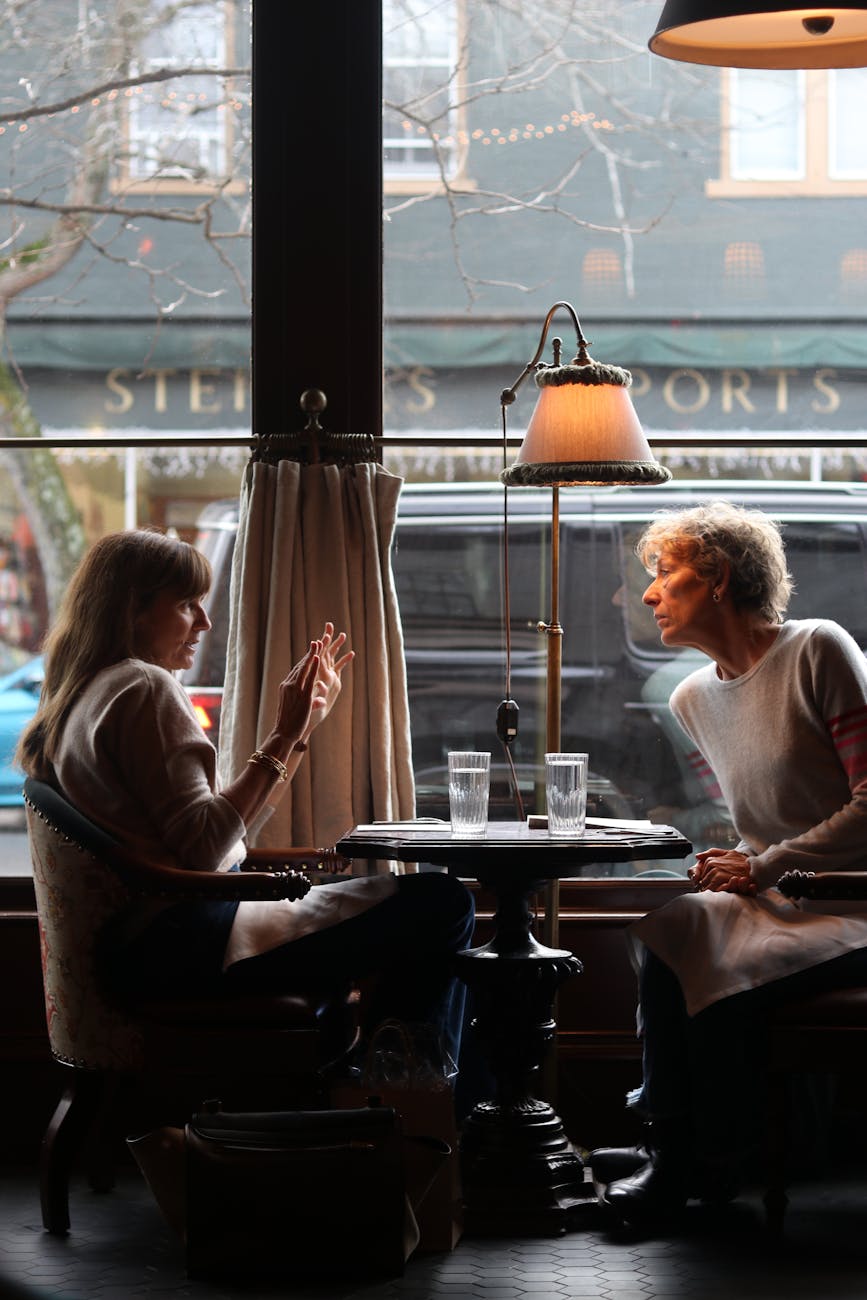
Solo trips open doors to new friendships—locals and fellow travelers can make your journey more rewarding. Still, your safety comes first. It’s not rude to protect yourself; it’s responsible.
Below are helpful ways to connect safely while keeping your guard up:
- Trust slow connections. If someone you’ve just met is overly friendly or shares too much, listen to your instincts. True friendships take time.
- Avoid sharing personal details too soon. Keep your hotel name, daily plans, or contact info private until you truly trust someone.
- Meet in public spaces. If you choose to hang out, pick busy coffee shops or parks rather than secluded or private spots.
- Notice red flags. Anyone who pressures you to drink too much, go somewhere alone, or answer questions you’re not comfortable with is waving a warning sign.
- Set a clear boundary. Feel free to say, “I prefer to keep things public,” or, “I’m not comfortable with that.” Most people will understand—and someone who doesn’t is not looking out for your best interests.
Safe connections are built on mutual respect and patience. Pay attention to how a situation makes you feel. Listening to your body’s cues—they rarely lie.
Dealing with Street Harassment and Uncomfortable Situations
Unfortunately, street harassment and uncomfortable comments can happen in any country. Having a few responses and a confident posture helps deflate awkward encounters and lets you move on quickly.
Here are smart ways to handle these moments:
- Ignore unwanted attention. Sometimes, the safest choice is no response at all—avoid eye contact and move along.
- Stay confident. Walk with purpose, shoulders back, and head up. Most people are less likely to bother someone who looks sure of themselves.
- Use strong, simple words if pressed. A firm “No,” “I’m not interested,” or “Stop” signals you won’t be pushed around.
- Seek safety in numbers. If you feel unsafe, head for a group of people, a shop, or a staff member in a public place.
- Have a cover story ready. If you’re asked if you’re alone, say you’re meeting a friend or waiting for someone nearby.
- Call for help or make noise if the situation escalates. A personal alarm, whistle, or simply drawing attention to yourself discourages most troublemakers.
Setting personal boundaries is your right—not a favor you’re asking for. Simple, direct responses keep you in control and remind others to respect your space. Stay assertive and prioritize your comfort over being polite.
Emergency Preparedness and Response
Unexpected situations can pop up while you travel solo, even with good planning. Staying ready doesn’t mean worrying about every possible problem, but it does mean you know what to do if things go sideways. When you’re prepared, you’ll act quickly, keep your cool, and handle whatever comes your way. Here are simple steps every solo woman traveler can use to protect herself and bounce back in a pinch.
First Aid, Health Precautions, and Insurance
Accidents, illness, and minor injuries happen—even on vacation. Having the right tools and know-how will make tough moments easier.
- Pack a small first aid kit. Tuck in bandages, pain relievers, antiseptic wipes, and any medications you use regularly. Add things like rehydration salts if you’ll be active or out in the sun.
- Carry copies of your prescriptions. Keep the originals with you, and bring printed or digital copies in case you need replacements abroad.
- Check for health alerts and required vaccines before you fly. Visit your doctor or a travel clinic early if you need shots or medicine.
- Buy travel insurance. Only a small cost up front, but a huge relief if you have to see a doctor, cancel your trip, or deal with lost baggage. Choose a plan that covers health, accidents, theft, and unexpected changes.
- Know where the nearest hospital or clinic is at each stop. Save the address and phone in your phone and jot them down as a backup.
Quick action and a little preparation can stop a small health problem from becoming a big hassle.

What to Do if You Feel Unsafe or Lost
Even seasoned travelers get turned around or feel uneasy sometimes. If you find yourself in a sketchy area or just have a bad feeling, act right away—don’t wait until you’re in trouble.
- Trust your instincts. If a street or situation feels off, leave. Head to a busy shop, café, or hotel lobby.
- Keep your phone charged and handy. Use it to check your route, order a ride, or call for help.
- Ask for help from staff—not strangers. Seek out someone in uniform or behind a counter to ask for directions or advice.
- Use your backup safety plan. Text or call your emergency contact to update them if you’re lost or worried. Share your location if you can.
- Don’t let embarrassment stop you. Plenty of people get lost or feel uneasy while traveling. It’s safer to look like a lost tourist than to risk your security.
In a tough spot, quick action often prevents things from getting worse.
Contacting Local Authorities and Embassies
Serious emergencies—like theft, assault, or losing your passport—need trusted help right away. Knowing how to get it speeds up the process and adds a layer of safety.
- Keep local emergency numbers handy. Save them in your phone and write them on a card you always carry. In many countries, 112 or 911 will work, but check for the right numbers where you’re headed.
- Report crimes to the police as soon as possible. This is key if you want to claim insurance or if you lose important documents.
- Find your embassy or consulate before you leave home. Save their number and address. Embassies can help with lost passports, legal problems, or if you need to get home fast.
- Visit the embassy website for extra info. Many post alerts, travel tips, and advice for travelers from your country.
- If you’re unable to speak the language, have a translation app ready or use simple words to ask for help.
Fast access to help makes every emergency easier. Solo travel feels much safer when you know who to call and what to expect if things go wrong. Stay prepared, stay safe, and never hesitate to reach out for help.
Conclusion
Confident, prepared solo travel isn’t out of reach for women—it’s a real possibility with the right habits. Simple steps like researching your destination, picking safe places to stay, packing smart, and setting clear boundaries go a long way. Trusting your instincts, staying connected, and having backup plans put you in control, not fear.
Traveling on your own builds confidence and opens doors to meaningful experiences. When you put your safety first, you can enjoy new places on your terms. Thank you for reading and supporting safe solo journeys. If you’ve got tips or stories, share them below and inspire the next traveler to take that first step.

![5 Travel Tips for Stress-Free Airport Security Checks [Updated Guide]](https://advicefortravel.com/wp-content/uploads/2024/04/pexels-sejio402-29152262_TSA-Hands-scaled.jpg)