Traveling Alone: A bit of fear about reaching this milestone later in life is common.
And it does not mean we are fragile. It often means we care, we are out of practice. Or our perspective on risk has shifted as we have aged. That is exactly where I start when I talk about the challenge of completing a solo trip after 50.
Key Takeaways
- Acknowledge the fear: It is normal to feel vulnerable when returning to a learning environment after 50; identifying the fear as a mix of life transition and technical complexity is the first step toward overcoming it.
- Prepare through familiarity: Use visual tools like YouTube walkthroughs and virtual rehearsals to master your trip and terminal navigation, turning the unknown into a manageable plan.
- Prioritize practical readiness: Build confidence by ensuring your documentation, medical status, and safety procedures are in order, allowing you to focus on the mechanics of your flight.
- Adopt a pilgrim mindset: Reframing solo travel as an opportunity for reflection rather than just a test of performance helps transform potential loneliness into a meaningful, enriching experience.
The Problem
When I talk with travelers in this season of life, their fear is rarely about the aviation mechanics themselves. It is about everything wrapped around the experience.
Whether we are widowed, divorced, retired, or simply out of the practice of navigating airports alone, our psychological readiness plays a major role. For years, someone else may have handled the logistics, but taking a solo trip after 50 makes us responsible for every detail again.
That transition feels larger than it is, especially when you are returning to a learning environment. There is a vulnerability in starting over. We approach these journeys with the wisdom of our years, yet we sometimes feel like a youngster navigating unfamiliar territory for the first time. A simple boarding pass can carry a lot of emotion when you are reclaiming your independence.
Many of us also deal with a split reality. Inside, we feel younger than the number on our driver’s license. Yet, our bodies remind us of the reality as we trudge in long concourses and stand in long lines. We still want adventure, but we also want comfort.
There is no shame in that. I do not want to sleep in a noisy hostel anymore, and I do not pretend otherwise. We must prepare for the physical reality of travel. It ciould be the demands of the terminal or the mental focus required for takeoffs and landings.
Sometimes travel is fun; sometimes it sucks.
For many people over 50, travel is an essential part of a full life.
That is why the fear can sting; we want to explore!
A solo trip can also stir a second fear that people rarely say out loud. We may worry that being alone will make us look old, lost, or vulnerable. In truth, most people in an airport are busy with their own lives. Still, that feeling is real.
The Cause
In my years as a travel advisor, counselor, Air Force officer, and journalist, I have learned that fear usually shrinks when I name it clearly. After 50, the cause is often a mix of life transition, physical caution, and the technical landscape of modern aviation.
Air travel has evolved into something resembling survival school. Where there used to be simple interactions, we now face complex FAA requirements and digital interfaces. Travel feels like a test of our patience.
Navigating current FAA requirements is getting harder as we get older. Any unclear booking detail or policy change can make a trip feel shaky before it starts. This is where the guidance of a trusted travel agent becomes invaluable. They help break down these systems in understandable ways.
Our bodies also change the math. We have to develop new levels of awareness regarding joint pain, medication schedules, and energy management. The old version of me could shrug off a red-eye and a bad mattress. Bounced right back!
But the current version of me views comfort as a necessity rather than a weakness. Thinking of your journey as part of your ongoing “development” helps shift the perspective from stress to preparation.
Then there is the emotional layer. A solo trip can uncover grief, even when the trip is joyful. After decades of shared travel, silence at the gate can feel heavy. But, we can reframe the aloneness. Once I started seeing the airport as a place full of fellow humans, each carrying their own worry, my alone-ness lessened..
Fear gets smaller when I turn the unknown into something I have already seen once.
Faith has helped me here too. I do not mean that nervousness disappears. I mean that I can carry it without letting it overwhelm me.
Solution
I don’t try to become fearless. I try to become familiar.
Practice the trip before the trip
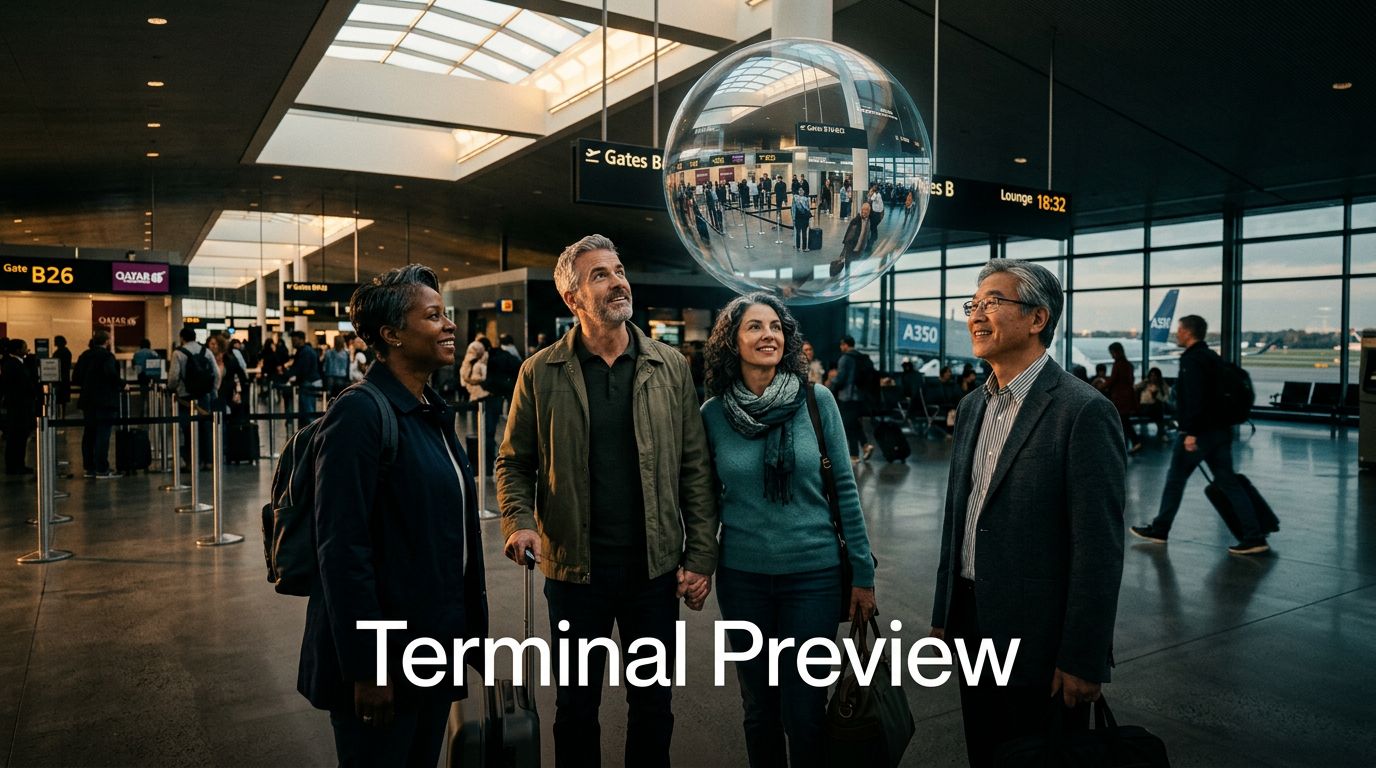
One of the best tools I use is simple visual rehearsal. Preparing mentally before I ever get to the airport is key to feeling calmer. I search for my departure airport on YouTube to watch walk-through videos. These vids helps me visualize the layout I will eventually encounter. By

Protect your body, paperwork, and peace of mind
The next step is practical. Good organization creates calm. I check my passport or e-tickets early to ensure I have them. I also perform a thorough check of my prescription meds and ensuring my drivers license or passport is current.
Plan for the lonely moments before they happen
For many of us, the hardest part isn’t getting to the boarding gate. It’s the long cross country flight. Alone.
I started by focusing on smaller tasks, which helped me stay focused on the broader goal of enjoying the flights. Making connections with other passengers helps, but post-Covid, everyone seems to be in their own little worlds. I try to interact with others, but our phones and devices seem to suck us into a virtual world of pretend friends.
Let the trip become more than transport
This is where my faith comes in.
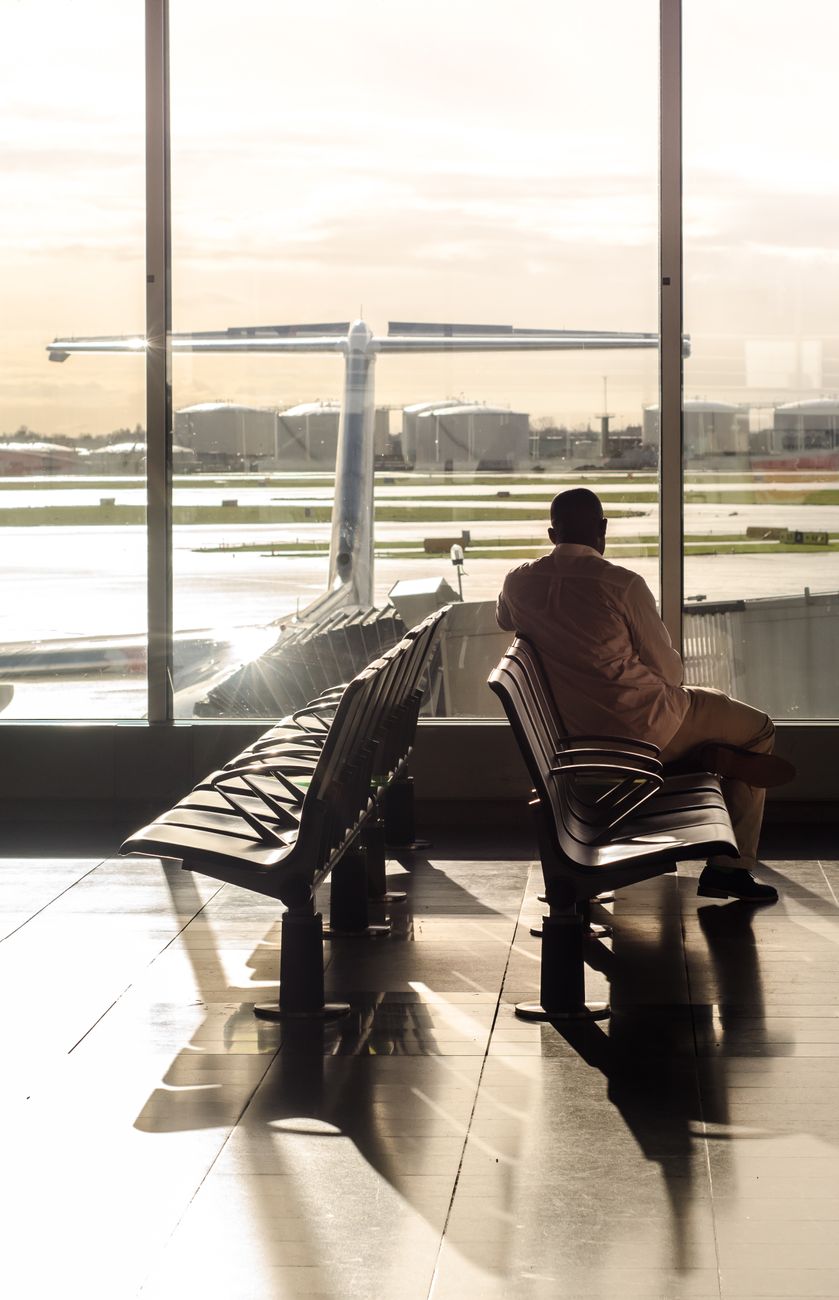
The traveler as pilgrim mindset changes the whole trip for me. I stop asking how do I perform this well, and start asking what am I meant to notice here. Then an airport bench becomes a place of quiet reflection. A delayed journey becomes a discipline of silence, allowing me to find inner peace even in crowded spaces.
I often think about Abraham when I travel alone. He left his home country and ventured out in faith. Leaving comfort behind speaks to anyone stepping into uncertainty. On rough days, I return to walking by faith and embracing uncertainty. When a stranger helps me with a bag or gives directions, I recognize the virtue of hospitality with gratitude. And, in turn, my small acts of kindness may help someone else, while also changing me, too.
One More Thing
Today, I encourage you to pick an action to prepare. Perhaps watch one 360 airport video of your departure terminal or the city you will visit. Or pack your carry-on once and walk it across your living room. That single practice can turn a blurry fear into a manageable plan.
If you would like more practical travel help, honest VR previews, and gentle faith rooted encouragement for this season of life, Subscribe.
And, tell me in the comments what part of flying alone after 50 still feels hardest.
This post may contain affiliate links. If you make a purchase through these links, I may earn a small commission at no extra cost to you.