“What if I get confused, tired, or stuck?”
I hear that fear often, and I respect it. In my years as a travel advisor, counseling psychologist, Air Force officer, and journalist, I’ve learned that confidence doesn’t appear first. It grows after one clear step.
If you’re ready for a bit of guidance for your next chapter, this is where I’d begin.
For a first solo trip after 60, my focus is simple: overcoming anxiety, safety, simplicity, and lack of experience. That may sound basic, but basic is what works.
Many of us are not afraid of the world itself. We’re uneasy about the new systems around it. Airports feel louder. Apps keep changing. Family roles shift after retirement, widowhood, divorce, or an empty nest. Even strong, capable people can feel rusty.
At Your Connected Journey, I write for curious travelers and seekers over 50 who want calm help, not hype. The questions in my inbox are often the same: how to plan a trip over 50, how to build a jargon-free travel planning checklist, and how to navigate modern airports easily without feeling foolish.
Older travelers also want comfort, trust, and good value. That lines up with what I’ve seen for years. Many people in their 60s still feel young in spirit, but they don’t want a bathroom down the hall or a confusing arrival after dark. They want a trip that feels special, while still feeling safe.
AARP trend reporting has also shown that many older adults still place travel high on the list of what they want most. In other words, the desire is there. The friction is mostly in the planning.
In a helpful discussion among travelers over 60, the most repeated advice was to start with the easy stuff. I agree. This is Travel 101 for inexperienced older adults. Your first trip does not need to prove anything.
Your first solo trip should feel manageable, not impressive.
That one sentence can save a lot of money, stress, and second-guessing.
Build your first trip around one easy win
Most senior travel tips fail because they jump straight to packing lists. Before luggage, I want a shape for the trip. For solo travel after 60, the best shape is short, central, and familiar.

A good first trip is often two to four nights. I prefer a direct flight or an easy train ride. I also like a hotel in a walkable area, close to food, a pharmacy, and a staffed front desk. Book your airport ride, first night’s stay, and first meal before you leave home. That removes the hardest edges.
This quick comparison can help.
| First-trip option | Why it works | Best fit |
|---|---|---|
| Nearby city break | Familiar language, short travel day, low pressure | A true first test run |
| Small-group tour | Help with travel logistics and built-in company | Anyone who wants structure |
| Short English-speaking trip abroad | Adds one stretch without too much friction | First time international travel over 60 |
The main takeaway is plain. Choose the option with the fewest moving parts.

Photo by Gustavo Fring
For safe travel, I pack lighter than I think I need to. One rolling bag and one personal item are enough for most trips. I keep medicines in my carry-on, wear a cross-body bag, charge my phone every night, and share my itinerary with one trusted person.
If I’m advising a woman planning her first solo trip, I add a few more steps. Arrive in daylight. Use official airport taxis or a pre-booked transfer. Choose a hotel with a 24-hour desk. For safe international travel for older women, those choices matter more than a fancy view.
I also book with companies that send written confirmations, clear cancellation terms, and real contact details. Older travelers value trust, and so do I. A polished website is nice, but honest communication is better.
Heartfelt Connection and Beating Loneliness
Solo does not have to mean isolated. In fact, solo travel over 50 can open doors that group family travel sometimes keeps closed.
Many of us face life after retirement with fewer daily contacts. Work friends fade. Adult children are busy. Grief can shrink the map of our lives. That is why mental wellness belongs in any beginner travel guide.
I often hear these tender questions: how to make friends after retirement, whether solo travel clubs for women over 50 are worth it, and how to find the courage to connect in a next chapter. My answer is gentle but firm. Don’t plan every hour alone. Leave room for people.
A small-group walking tour on day two helps. So does a cooking class, museum talk, or hotel breakfast room. If you want more structure, solo-only programs from Road Scholar are worth a look. They offer a middle path between full independence and hand-holding.
I’ve also seen good encouragement in peer communities, including this Travel at 60 community post, where people share group options and travel clubs. That kind of honest exchange matters when you’re fighting isolation through group travel or navigating the empty nest with adventure.
The psychology of connection for older adults is not mysterious. Shared purpose helps. A food tour, church visit, garden walk, or history lecture gives strangers something real to talk about. That’s how we begin building meaningful relationships later in life.
Gentle Faith and the Soulful Road
This is where spiritual travel becomes more than a theme. Sometimes the trip is not only about seeing a place. It’s about hearing your own life again.
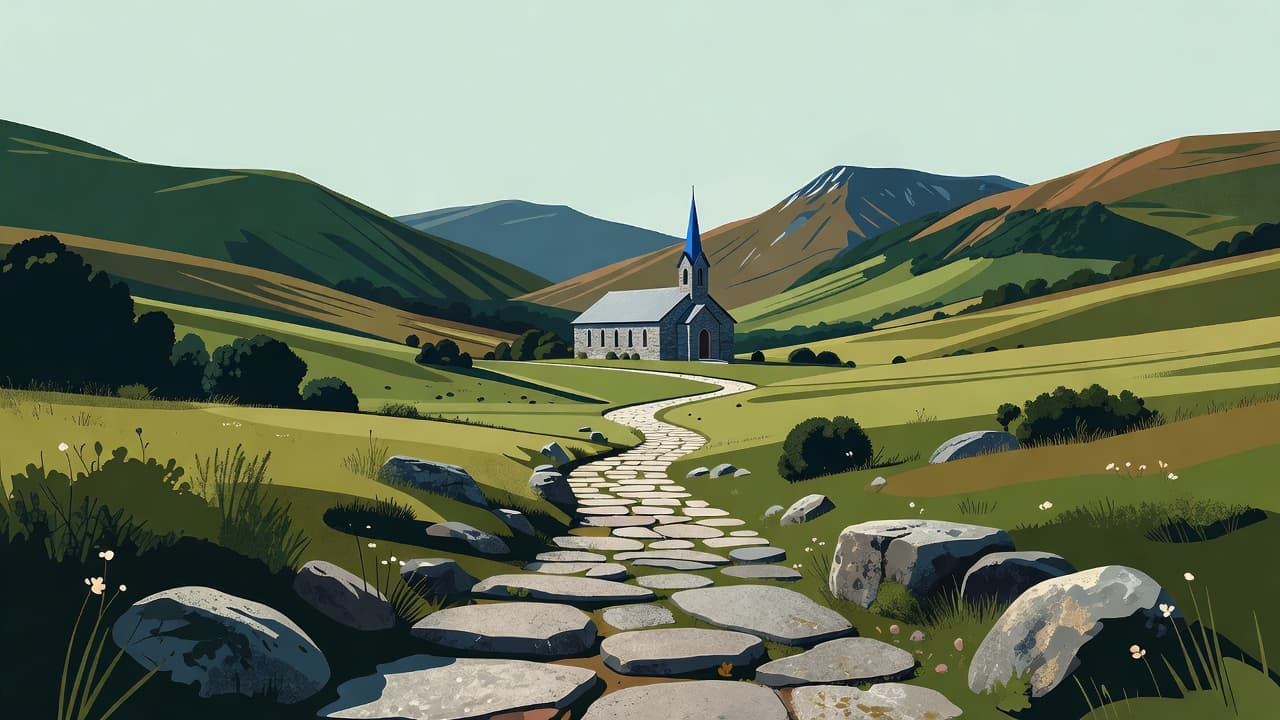
Where faith and the open road meet, I notice a softer kind of courage. A quiet church in a new city, a candle lit in thanksgiving, a walk before breakfast, these can steady the heart. For some, that may lead to Orthodox Christian pilgrimage destinations. For others, it may mean a simple weekend near water or mountains. Both can hold grace.
The spirituality of travel and adventure often begins with attention. I look up. I slow down. I become less trapped in old loops. That is part of exploring the world from the inside out.
“The Lord will watch over your going out and your coming in.” Psalm 121:8
I return to that verse often. It speaks to the interior life of the older traveler, to finding sacred stillness while traveling, and to cultivating wonder and curiosity in later life.
A small first trip can open the next one
The best first solo trip after 60 is usually smaller than we expect, and more meaningful. Start with one easy destination, one calm plan, and one bit of support.
If you’re ready, choose one place this week. Watch one 360 video, price one hotel, and sketch one simple itinerary. That’s enough for now.
If you’d like, tell me in the comments where you want to go first, or what still feels hard. I’d be glad to walk with you a little further.