If you’re planning your first big trip after 50, you may feel equal parts excited and unsure where to start. You’re not alone, 64% of adults over 50 plan to travel in 2026, and many are looking farther from home, often with a dream trip in mind. Still, the best way to see the world isn’t one perfect answer. It’s the choice that fits your comfort, budget, energy level, and what you want your days to feel like once you get there.
Some travelers want the ease of guided tours or river cruises. Others want more freedom with independent travel, road trips, train travel, or a slow stay in one city. Many land somewhere in the middle, which is why small group tours often feel like a good first step. The sections ahead compare the most beginner-friendly travel styles, so you can find the best fit for you and start with confidence, not pressure.
First, a brief word about us: My wife and I own a small travel agency. This series, Travel 101, is for older travelers who have traveled some, but never gone on any major adventures. They have done some research and have ideas about where they want to go. Mostly, they need encouragement to try out their travel wings! My motto, for myself and others is, “Get out of your easy chair and get out there!”
Why the best travel style depends on what matters most to you
The best way to see the world depends less on what looks impressive and more on what feels right once you’re there. A first trip after 50 goes better when your travel style matches your pace, your patience, and the kind of days you actually enjoy.
That means giving yourself permission to travel in a way that fits your life now. Some people want structure, some want freedom, and some want a little of both. The right choice is the one you’ll enjoy enough to do again.
Start with your comfort level, not someone else’s bucket list
A trip can look amazing on paper and still feel exhausting in real life. If long walking days, tight flight connections, poor sleep, or crowded buses wear you out at home, they probably won’t feel better overseas.
Start with the basics that shape your day:
- How much walking feels good to you
- How well you sleep in new places
- How much downtime you need
- How you handle stress when plans change
If you’re honest about those things, you’ll make better choices from the start. A river cruise, small group tour, or one-city stay may fit you better than a fast-moving trip with five hotels in eight days.
Comfort is not “playing it safe.” It’s how you make room for joy. When your body isn’t fighting the trip, you notice more, enjoy more, and come home wanting another stamp in your passport.
Your first trip does not need to prove anything. It needs to feel manageable enough that you can enjoy it.
Think about how much planning you want to handle yourself
Some travelers love making every choice. You may enjoy comparing hotels, picking train times, finding restaurants, and mapping out each day. If that sounds fun, do-it-yourself travel can feel personal and flexible.
On the other hand, full-service travel removes a lot of moving parts. A tour company, cruise line, or travel advisor can handle hotels, transfers, tickets, and daily plans. That means fewer decisions and less stress when you’re still learning how international travel works.
This quick comparison makes the trade-off easier to see:
| Travel style | Best for you if… | What you give up |
|---|---|---|
| DIY travel | You like control, research, and flexible days | More time planning, more responsibility |
| Full-service travel | You want support, structure, and simpler logistics | Less spontaneity, fewer personal choices |
| Hybrid travel | You want help with the hard parts, but free time too | Some structure, some planning still needed |
Many first-time travelers over 50 prefer comfortable, well-planned trips with group options, because the details can drain your energy fast. If booking flights is enough excitement for one week, let someone else handle the rest. If planning sounds like part of the fun, build your own trip with a light schedule and plenty of breathing room.
Decide if you want built-in company or more personal space
Travel feels different when you think about the social side ahead of time. Some people love meeting others at dinner, sharing stories on a bus, and having built-in company during tours. For them, cruises, small group tours, and escorted trips can feel easy from day one.
Others enjoy a quiet breakfast, a slower morning, and the freedom to keep to themselves. If you recharge in silence, independent travel, a road trip, or a longer stay in one place may suit you better.
You do not need to become a social butterfly to have a great trip. Still, it helps to know where you land on this scale. Built-in company can reduce worry, especially on a first trip. More personal space can make the whole experience feel calmer and more natural.
A good test is simple. Picture your ideal travel day. Are you chatting with new people over breakfast, or are you happiest with coffee, a view, and no schedule for an hour or two? Your answer points you toward the best way to see the world for you, not for the loudest voice in the room.
Guided tours and small group tours make your first big trip easier
If you want your first big trip to feel exciting, not tiring before it even starts, tours can help. They remove a lot of the heavy lifting, and that matters when you’re learning how international travel works in real time.
For many first-time travelers over 50, the best way to see the world is not doing everything alone on day one. A well-planned tour can give you a soft landing in a new place, while a smaller group can give you breathing room, support, and a more human pace.
Guided tours work well when you want the details handled for you
A guided tour is often the easiest way to travel when you want fewer moving parts. In many cases, your hotel, transportation, sightseeing, entry tickets, and local guide are bundled together, so you spend less time comparing options and more time enjoying the trip.
That takes a real load off your mind. Instead of figuring out train stations, hotel transfers, or which museum needs timed entry, you follow a plan that already works. For a first trip, that can feel like someone turned down the noise.
If you’re nervous about language barriers, unfamiliar airports, or getting from place to place alone, guided travel can be a strong choice. You don’t have to decode every sign or solve every problem on the spot. You also get local context, which can turn a beautiful building into a story you’ll actually remember.
Guided tours are especially helpful when your stress points look like this:
- You don’t want to manage every hotel check-in and transfer yourself.
- You feel uneasy about finding your way in a country where you don’t speak the language.
- You want key sights covered without spending weeks planning.
- You’d rather ask a guide than troubleshoot every detail on your phone.

Travel trends also support this. With nearly two-thirds of adults over 50 planning travel in 2026, companies are offering more guided options, including slower itineraries and hands-on experiences like market visits and cooking classes. That means you can find tours that feel less rushed and more personal than the old bus-trip stereotype.
Still, guided tours come with trade-offs. The biggest one is the fixed schedule. You may need to leave the hotel early, keep pace with the day, and move on just when you’d rather sit another hour at a cafe. Free time can be limited, especially on faster itineraries with many stops.
A guided tour gives you confidence fast, but you pay for that ease with some freedom.
That doesn’t make guided travel a poor fit. It simply means you should read the itinerary with honest eyes. If you like structure and want the details handled, this style can make your first trip feel smoother from start to finish.
Small group tours give you support with a more personal feel
Small group tours often hit the sweet spot. You still get planning help and local guidance, but the experience usually feels calmer and less crowded. Instead of moving with a large pack, you travel with a handful of people, and that changes the tone of the whole trip.
In a smaller group, it’s often easier to hear the guide, ask questions, and settle into the day. Meals can feel more relaxed. Hotel arrivals tend to be simpler. You may also get more flexibility, because smaller groups can adjust more easily than large motorcoach tours.
That personal feel matters on a first trip. If you want structure but don’t want to feel herded from stop to stop, a small group can give you a better rhythm. You have support nearby, yet the trip can still feel like your own.
This style also works well if you want some social time without being “on” all day. Many travelers over 50 like having built-in company for excursions and dinner, then a little quiet afterward. Small group travel makes that balance easier.
A few trade-offs are worth knowing before you book:
- Higher cost per person is common, because fewer travelers share the guide and transport.
- Group pace still matters, so your day depends partly on how the others move.
- Personal fit counts more, because group chemistry is easier to notice in close quarters.
Solo travel is also growing among older adults, and many tour companies now offer small group trips built for that audience. If you’re traveling alone, or just want the comfort of shared plans, that can be a welcome middle ground. You get connection without feeling swallowed by a crowd.
When you compare your options, the difference is simple. A large guided tour gives you maximum structure. A small group tour gives you support with a little more air around you. If you want your first trip to feel manageable, social, and less rigid, a small group may be the best way to see the world without taking on every detail yourself.
River cruises offer comfort, easy movement, and scenic travel with less hassle
If you want a first trip that feels calm instead of complicated, a river cruise deserves a close look. You unpack once, settle in, and let the scenery change outside your window. For many travelers over 50, that mix of comfort and motion feels like the best way to see the world without turning every day into a logistics project.
River cruises have also grown more popular with travelers in their 50s and 60s, partly because they keep things simple. Smaller ships, easy access to town centers, and a quieter pace make them feel less like a production and more like a gentle glide from one good day to the next.
Why river cruises feel simple for first-time travelers
A river cruise removes many of the little stresses that can wear you down on a first trip. You don’t keep packing and unpacking. You don’t spend half your energy figuring out train stations, hotel check-ins, and where to leave your bags between cities. Instead, your room moves with you.
That “unpack once” rhythm is a big deal. When you wake up in a new place without changing hotels, travel feels lighter. Your closet stays put, your bathroom stays the same, and you already know where the coffee is. That kind of familiarity can calm your nerves fast.
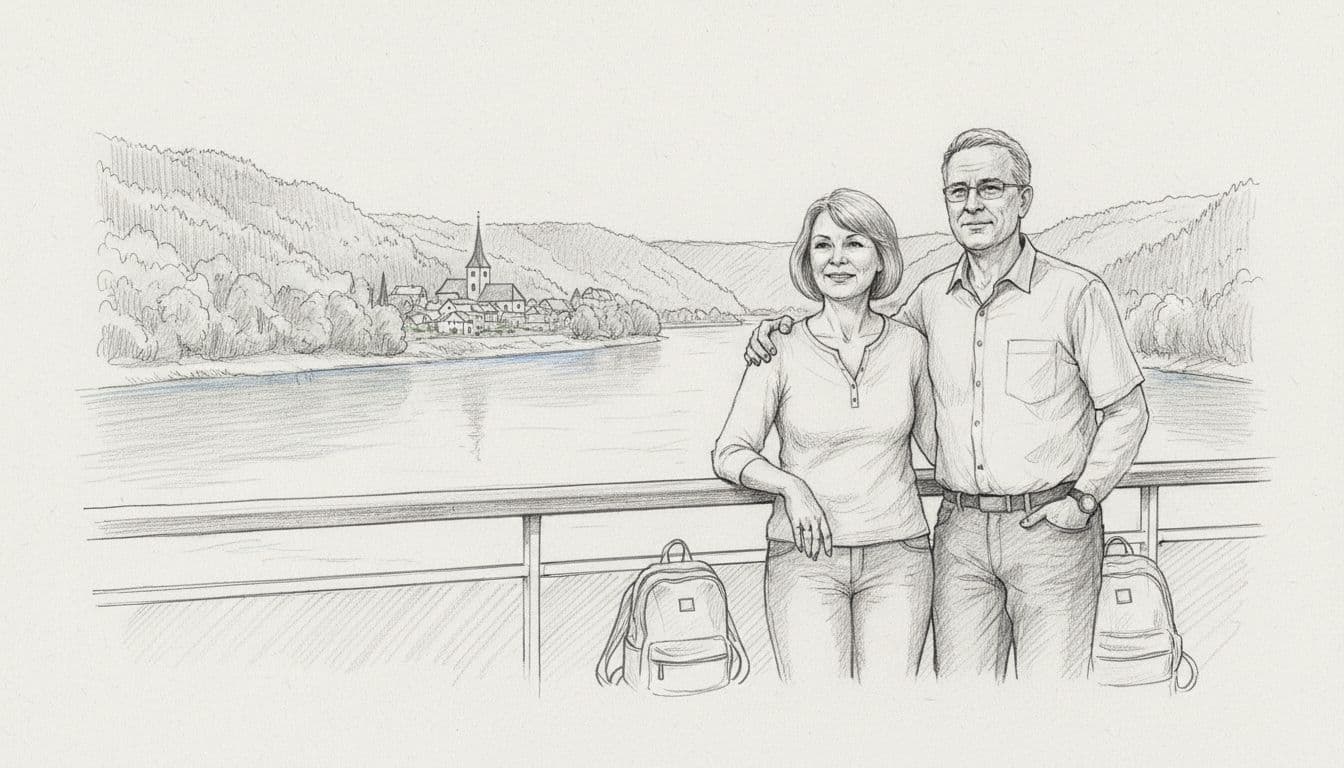
The ships themselves are usually smaller than ocean cruise ships, and that changes the whole feel. You can move around without long walks down endless hallways or crowds around every corner. In many cases, you’re docking near the heart of town, so getting off the ship feels more like stepping into the neighborhood than launching a major outing.
That ease matters if you want to see several places but don’t want the grind of constant transfers. One week can bring castles, vineyards, small cities, and riverside villages, yet your bed stays the same every night. It’s travel with fewer moving parts, which is often exactly what first-time travelers want.
You also get choices without too much pressure. On many sailings, you can join an excursion, skip it, or pick a slower option if one is offered. That’s useful when you want structure but still need room to breathe.
A good river cruise gives you motion without chaos, and that balance is hard to beat on a first big trip.
What to check before you book a river cruise
Before you book, look past the pretty photos and read the daily details. River cruises can be easy, but the right one for you depends on pace, not just price. A lovely itinerary can still feel tiring if the walking demands don’t match your comfort level.
Start with the excursions. Some tours involve cobblestones, stairs, long walks from the dock, or a brisk pace through town. Others are much gentler. Look for phrases such as “active,” “moderate,” or “panoramic,” and don’t assume every included tour fits every traveler.
Cabin size matters too, especially if this is your first cruise. River ship rooms are often smaller than hotel rooms, so check the square footage, not just the photos. If you like more elbow room, a slightly larger cabin may be money well spent.
It also helps to compare the full trip cost side by side:
| What to check | Why it matters |
|---|---|
| Walking demands | Some ports require more walking than you expect |
| Excursion pace | Included tours may move faster than you’d like |
| Cabin size | Small rooms can feel tight on longer trips |
| Airfare | Flights may or may not be included in the fare |
| Transfer help | Airport-to-ship support can remove a lot of stress |
| Inclusions | Drinks, gratuities, Wi-Fi, and tours vary by line |
Airfare and transfers deserve special attention, especially if you’re flying from a regional airport. Check whether the cruise line helps with flights, airport transfers, or hotel stays before embarkation. Those extras can save you trouble, but only if they’re actually included.
Finally, read the fare details with a pencil-sharp eye. Some river cruises include more than others, such as wine with dinner, daily tours, gratuities, or Wi-Fi. Others price lower at first, then add costs later. If you want the best way to see the world with fewer surprises, clarity matters as much as comfort.
A short checklist can keep you focused before you hit “book”:
- Match the walking level to your real-life energy.
- Confirm what excursions are included, and which cost more.
- Check cabin size and deck location.
- Review airfare, transfers, and pre-cruise hotel options.
- Add up the full cost, not just the base fare.
That extra review time pays off. When the trip fits your pace from the start, you can spend less time worrying about the details and more time watching the shoreline roll by.
Independent travel, road trips, and train travel give you more freedom
If you want more say over how your trip feels, these travel styles open the door wider. You choose your pace, your stops, and how much structure you keep. For many first-time travelers over 50, that freedom sounds exciting because it turns a trip into something that fits your life, not someone else’s schedule.
Still, more freedom usually means more responsibility. You get more room to shape the day, yet you also carry more of the planning, timing, and problem-solving. That trade-off matters when you’re deciding on the best way to see the world for your first big trip.
Independent travel gives you full control, but it asks more of you
Independent travel gives you the keys. You pick the flights, choose the hotel, decide how long to stay, and change your plans if a place captures you. If you want a quiet morning, a long lunch, and only one museum instead of three, you can do that without asking anyone’s permission.
That freedom is a big part of the appeal. Your trip can match your real interests, whether that means art museums, old churches, neighborhood cafes, or simply a balcony with a view. You also avoid the herd effect. You don’t have to wake up at 6:30 a.m. because a bus leaves at 7:15.
At the same time, independent travel puts more on your plate. You have to book the right flights, compare hotel locations, watch check-in times, and figure out how to get from the airport to your room. If a train is canceled or a hotel mix-up pops up, you solve it.
The small tasks add up faster than many beginners expect. You may need to handle:
- Flight changes and booking details
- Maps, transit, and day-to-day navigation
- Backup plans for delays or closures
- Your own luggage on stairs, trains, and sidewalks
- On-the-spot choices when something goes wrong
That doesn’t mean independent travel is too hard. It means it works best when you start smart. If you’re a confident beginner, try one easy destination first, pick a city with strong tourism infrastructure, and keep your itinerary light. A simple first trip can build real confidence for the next one.
Independent travel feels personal and rewarding, but you earn that freedom by handling the details yourself.
Road trips let you travel at your own pace, especially in the US or Canada
A road trip gives you a wide-open kind of freedom. You can leave when you’re ready, stop when a view grabs you, and stay longer in a town that feels good. That pace can be a relief if airports wear you out or if you want the trip to unfold more naturally.
Road trips also make it easy to carry what you need. You can bring a cooler, extra shoes, a better pillow, jackets for changing weather, and anything that helps you stay comfortable. That matters after 50, because comfort is often the difference between a fun day and a long one.
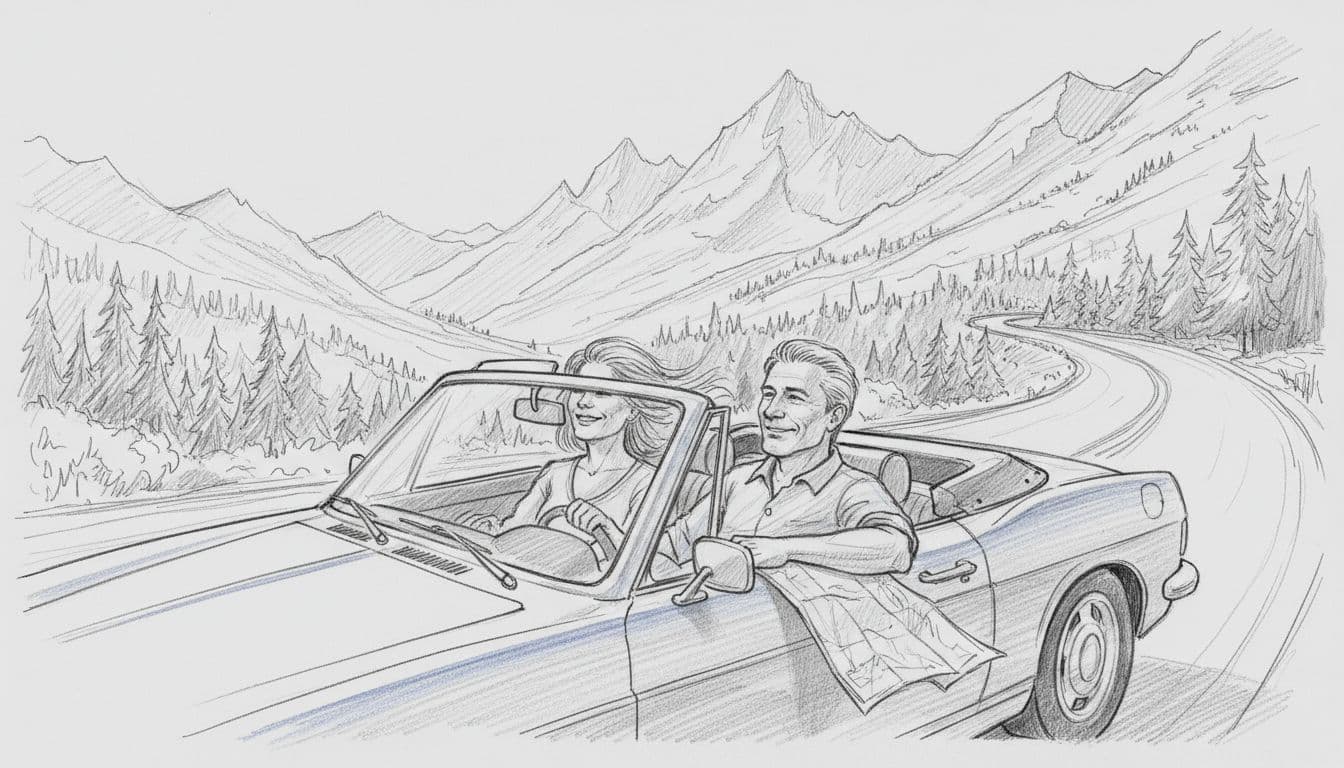
In the US and Canada, this style can work especially well because distances are manageable in many regions, roads are familiar, and you can build a trip around parks, coastlines, mountain towns, or cities. You might spend two nights in one place, then move on when you’re ready. The car becomes your moving base camp.
Still, the open road has its own demands. Long driving days can drain your energy before dinner. Parking in busy cities can be annoying and expensive. Weather can shift plans fast, especially in mountain or coastal areas, and fatigue is real after several days behind the wheel.
A good road trip usually works best when you respect your limits. Keep daily drives shorter than you think you need, build in rest days, and avoid treating every day like a race. If you’re traveling as a couple or with a friend, sharing the drive can make the whole trip feel lighter and safer.
Train travel is a relaxed middle ground between a tour and a DIY trip
Train travel sits in a comfortable middle space. You still travel on your own terms, but the day often feels less stressful than flying or driving. You go from city center to city center, settle into your seat, and watch the world roll past your window.
That rhythm can feel wonderfully calm. There are no rental car lines, no highway stress, and often less airport hassle. In many places, you can arrive at the station, board with your bag, and be on your way without the stop-start strain that comes with air travel.
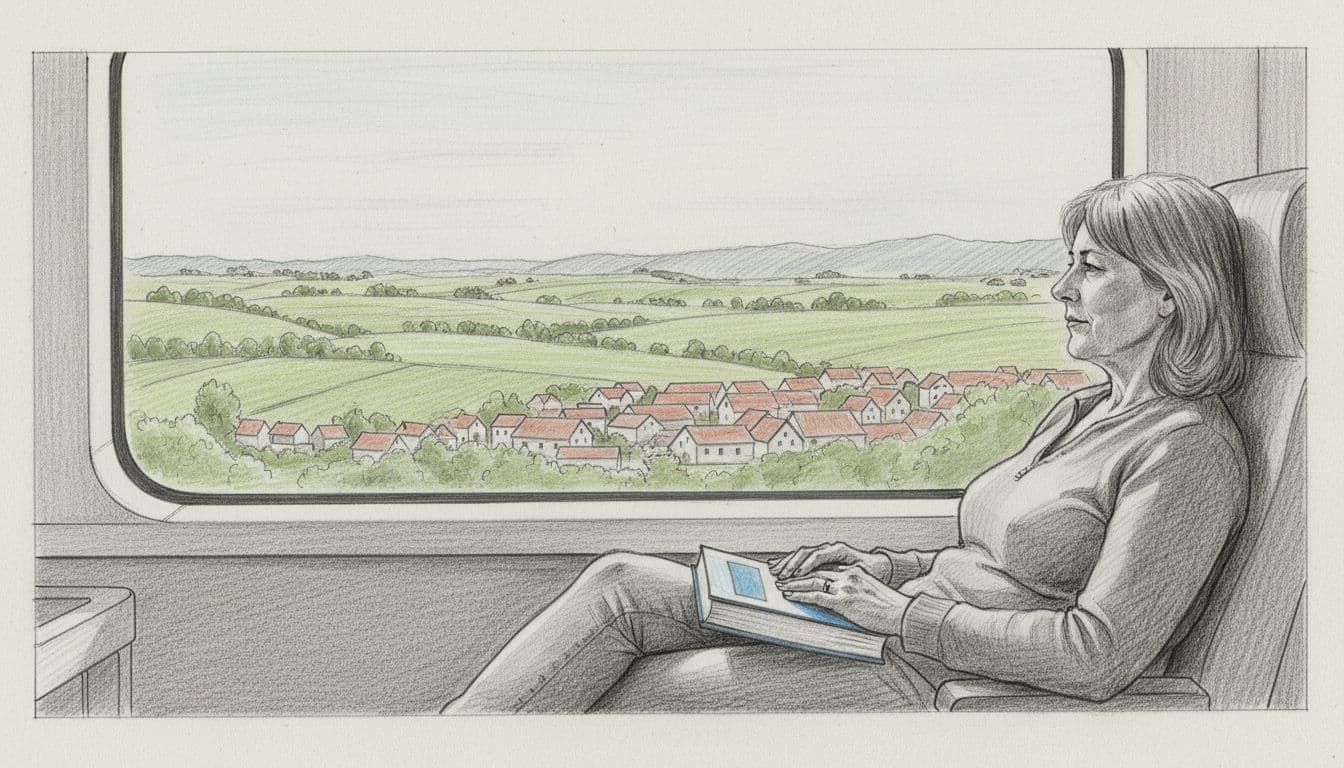
Trains are especially appealing for one-country or multi-city trips in Europe. You can spend several days in Paris, continue to Lyon, then head to Geneva or Milan without changing your whole travel style. The stations are usually central, which means less time getting in and out of the city and more time actually enjoying it.
Scenic value is part of the draw too. On a train, the travel day doesn’t have to feel wasted. Countryside, rivers, villages, and mountain views slide by while you sip coffee or read a few pages of a book. That can make the journey feel like part of the vacation, not just the gap between destinations.
Train travel still asks a little of you. You need to watch schedules, track platforms, and pay attention to connections. Luggage can also be a hassle, especially in large stations with stairs, crowds, or tight transfer times. For that reason, lighter bags make train trips much easier.
If you want freedom without taking on every moving part, trains can be an excellent first step. You keep your independence, but the rails give the trip a steady frame. For many travelers, that’s the sweet spot.
Slow travel and one-city stays help you enjoy more by doing less
For a first trip after 50, a lighter schedule often gives you a better trip. You don’t need to collect cities like souvenirs to feel well traveled. In many cases, the best way to see the world is to slow your pace, stay put longer, and give each day enough room to breathe.
That approach can feel less flashy on paper, yet it often feels better in real life. You spend less energy moving around and more energy noticing where you are, how the street sounds at noon, where to get good coffee, and which corner makes you want to linger.
Why slow travel often feels richer than rushing through a checklist
Fast trips can start to blur. One hotel room looks like the next, and each train ride can feel like a race to the next “must-see” stop. After a few days, you’re not taking in a place so much as skimming across the top of it.
Slow travel changes that. When you cut down on hotel changes, packing, transfers, and tight schedules, your days open up. You stop spending so much time managing the trip, and you start enjoying it.
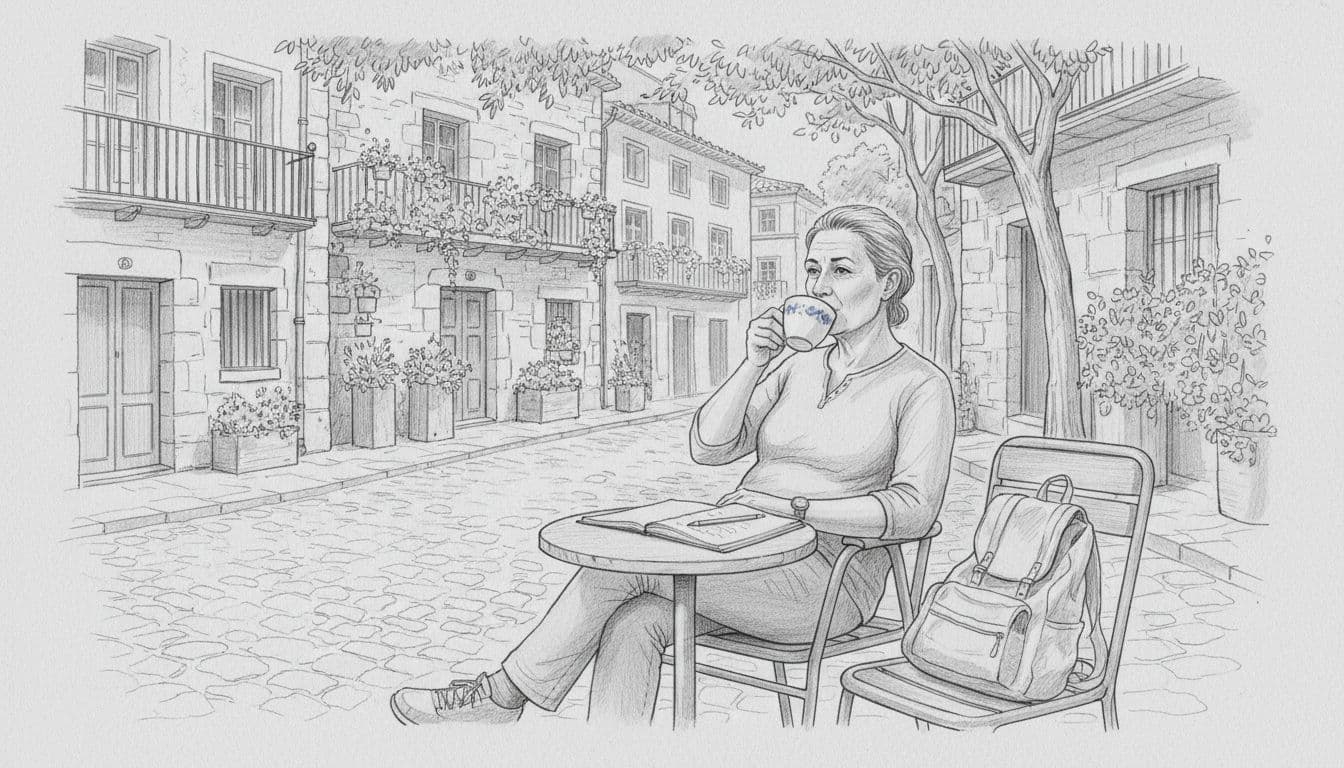
The pleasures are often small, but they stay with you. You find a cafe you return to twice. The server starts to look familiar. You learn which street takes you back to your hotel without checking your phone every ten minutes. That kind of ease is hard to get when you’re always on the move.
Quieter days also leave room for rest, and that matters more than many first-time travelers expect. A good trip needs energy, not just enthusiasm. If you can build in a slow morning, an afternoon break, or an early night, you’ll usually enjoy the next day more.
A slower rhythm often gives you more of what you actually want:
- You remember places better because you had time to settle in.
- You feel less worn out because you aren’t constantly repacking.
- You notice neighborhood life, not just major sights.
- You leave space for a long lunch, a bench in the shade, or a nap before dinner.
That doesn’t mean you do less in a disappointing way. It means you do less with more attention. A single market visit can mean more than three rushed attractions. A walk through the same square at different times of day can tell you more than a checklist ever will.
When your trip stops feeling like a test, it starts feeling like a pleasure.
This is one reason slow travel keeps growing. Recent travel trend reports show longer stays and lower-stress trips are especially popular with travelers over 50. That makes sense, because comfort and curiosity work well together. You don’t have to rush to make a trip count.
One-city stays are the easiest way to try international travel for the first time
If you’re new to international travel, one-city stays can be the gentlest place to start. You learn one airport arrival, one hotel, one neighborhood, and one transit system. That alone can lower your stress fast.
Instead of juggling three cities in eight days, you get a home base. Each day becomes easier than the one before. You know where breakfast is, how to get back from the museum, and which station or bus stop makes sense. Confidence grows in small steps, and that matters on a first trip.

A good one-city stay works especially well when the city is easy to walk, friendly to visitors, and backed by solid public transit. Then you can explore without needing to master everything at once. Later in the article, it makes sense to look at a few cities that fit that description well, but the main point is simple: pick ease over ambition.
There is also plenty to do without changing locations. In one city, you can mix big sights with ordinary pleasures:
- Spend one day on the headline attractions.
- Use another day for a local market, park, or neighborhood walk.
- Leave one day open for whatever feels good once you’re there.
That open day is often where the trip becomes your own. Maybe you go back to a museum you liked. Maybe you take a short river ride, sit in a square with coffee, or browse shops without buying much at all. The freedom comes from not hauling your suitcase to the next stop.
For many beginners, this is the best way to see the world because it builds skill without piling on pressure. You practice reading signs, using transit, ordering meals, and finding your way back, all in one manageable setting. By the end of the trip, you’ll likely feel less like a tourist in survival mode and more like a traveler who can do this again.
How to pick the right travel style for your first trip
Your first trip does not need to cover everything. It needs to fit how you travel best right now. That means choosing a style that matches your budget, your energy, and how much uncertainty you can enjoy before it stops being fun.
For many beginners, the best way to see the world is not the most ambitious plan. It’s the trip you can settle into, enjoy day by day, and finish feeling glad you went.
Match your trip to your budget, pace, and confidence level
Travel style shapes more than the price tag. It affects how much you walk, how many decisions you make, and how much room you have to rest. A trip that looks perfect online can feel heavy in real life if it asks too much of your wallet or your energy.
This quick comparison makes the trade-offs easier to spot:
| Travel style | Cost | Effort from you | Comfort level | Best if you want |
|---|---|---|---|---|
| Guided tour | Moderate to high | Low | High | Help with logistics and a clear plan |
| Small group tour | Moderate to high | Low to moderate | High | Support with a more personal feel |
| River cruise | High | Low | Very high | Easy movement and fewer hotel changes |
| One-city stay | Low to moderate | Moderate | High | A simple trip with a gentle pace |
| Independent multi-stop trip | Variable | High | Variable | Full control and more freedom |
The sweet spot is where cost, effort, and comfort line up for you. If you have a healthy budget but do not want to solve every travel problem yourself, a guided trip or river cruise may feel worth the extra money. If you’d rather spend less and move at your own speed, a one-city stay often gives you more breathing room.
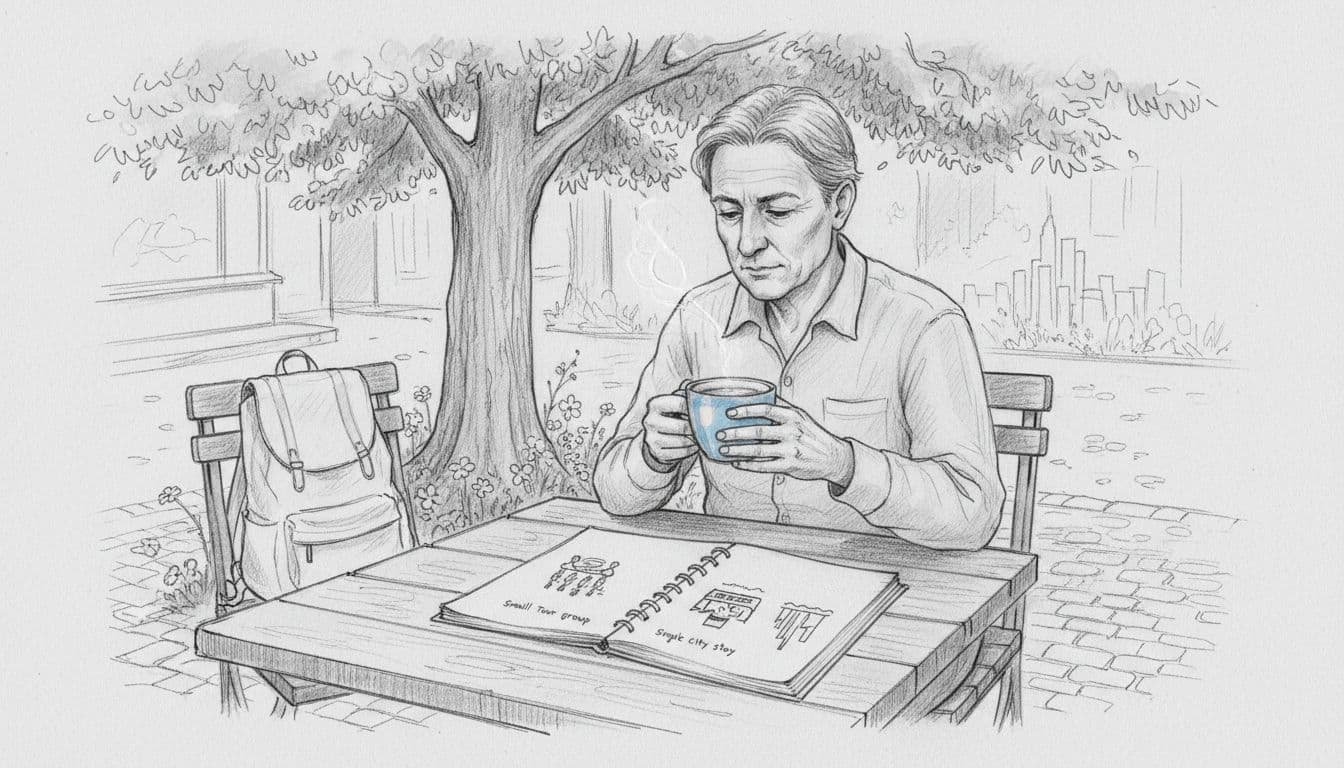
Confidence matters just as much as money. If you are uneasy about language barriers, train stations, or airport transfers, pick a style that gives you more support. On the other hand, if planning sounds enjoyable and you like figuring things out, you may be happier with a simple DIY trip.
A good first trip should stretch you a little, not pull you thin. If you are counting every dollar, every step, or every ounce of patience by day three, the style is probably too demanding.
The best travel options over 50 are usually the ones you can enjoy without feeling overbooked, overtired, or overspent.
Choose a first trip that feels exciting, but still easy to manage
A strong first trip has some spark, but it also has guardrails. You want enough newness to feel alive, and enough simplicity to sleep well at night. That balance is where confidence starts to grow.
Keep the first trip short, focused, and light on logistics. One region is usually enough. You do not need three countries in eight days to feel well traveled. In fact, fewer stops often give you a better memory of the trip because your days do not blur together.
A manageable first itinerary usually includes a few smart choices:
- Stay in one city or one small region instead of bouncing around.
- Choose direct flights when possible, especially on long travel days.
- Limit hotel changes, because packing and unpacking adds more strain than most people expect.
- Build in downtime, such as a slow morning, a free afternoon, or an early evening back at the hotel.
This kind of plan leaves room for the trip to breathe. You can sit in a cafe, walk a market, or rest before dinner without feeling guilty. That space matters, because travel days often take more out of you than they seem to on paper.
For example, a first trip to Portugal could mean four or five nights in Lisbon with one easy day trip, not Lisbon, Porto, Madrid, and Barcelona all in one sweep. A first trip to Italy could be Rome only, or Florence with a day trip, instead of a rush through half the country. You still see a lot, but you are not living out of your suitcase.
If the plan feels calm when you read it, that is a good sign. If it already looks like work, trim it back. The best way to see the world on your first trip is often to do less, with more ease.
A simple first-trip formula that works for many beginners over 50
If you want a helpful rule of thumb, start with the travel style that removes the most friction. For many beginners over 50, that means one of these four choices:
- A small group tour in one country or region
- A river cruise with gentle excursions
- A guided tour with free time built in
- A one-city stay in an easy, walkable place
None of these options is the only right answer. They simply work well because they cut down on the hardest parts of a first trip, such as constant transfers, too many choices, and too much uncertainty.
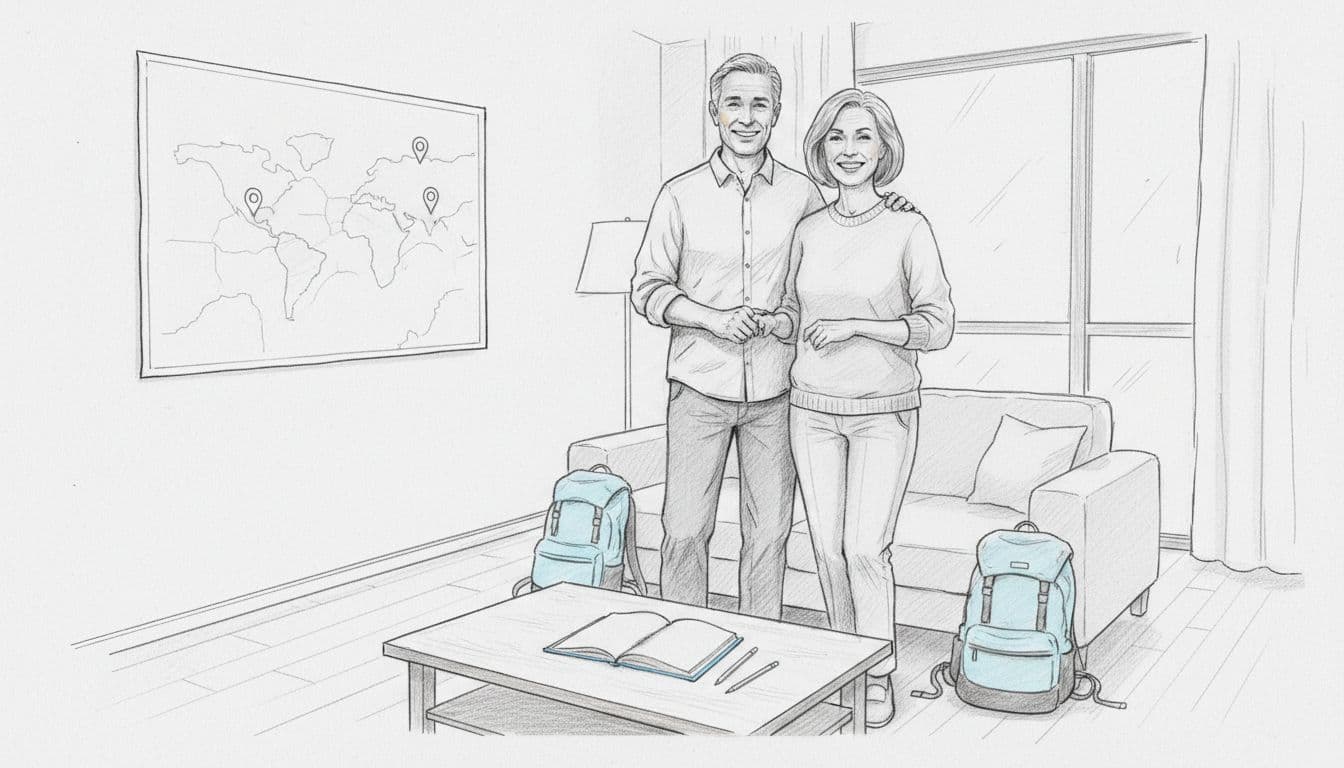
A practical formula looks like this: pick one easy destination, one base or one route, and one style of support. Then keep the trip long enough to settle in, but short enough to stay fresh. That could mean a week on a river cruise, six nights in one city, or a small group tour with a few free afternoons.
This approach works because it lowers the mental load. You are not trying to become an expert traveler overnight. You are building skill while still enjoying yourself. After one good trip, the next one gets much easier to plan.
If you want the safest bet, a small group tour or one-city stay is often the easiest place to begin. If comfort and convenience matter most, a river cruise can be a strong first choice. If independence matters more, a one-city stay gives you freedom without too many moving parts.
The point is not to pick the most impressive style. It is to pick the one that lets you come home thinking, “I can do this again.” That is usually the best way to see the world, especially when you are just getting started.
Now, Do This One Thing
You have enough information. At this point, the most helpful move is simple: pick one easy trip and put a real date on it. Research can help, but too much of it turns your first trip into a fog bank. A date cuts through that fog.
If you want the best way to see the world after 50, start with a trip you can actually book, not the dream version that keeps growing in your head. Your first trip should feel clear, doable, and a little exciting.
Pick the easiest version of your first trip
Choose the option with the fewest moving parts. That usually means a small group tour, a river cruise, or a one-city stay in a beginner-friendly place such as Portugal, Ireland, or Mexico. Those choices are popular for a reason, they reduce stress without draining the joy out of the trip.
Do not try to prove you’re adventurous on trip one. Save the complex rail pass, four-city itinerary, or remote island hop for later. Right now, your job is to make the first step easy enough to take.
A good first-trip choice usually looks like this:
- One country or one city
- One hotel, or one organized route
- Direct flights if you can get them
- Light walking, or at least a pace you know you can handle
- Help with logistics if that makes you feel calmer
That may sound modest. It is also smart. You build travel confidence the same way you build balance on a bike, by starting steady.
Put one date on the calendar and treat it like a real plan
A trip becomes real when it has a month, a week, or even a departure day. Until then, it stays in the “someday” drawer, and that drawer gets crowded fast. Pick a travel window that fits your life and your energy, then write it down.
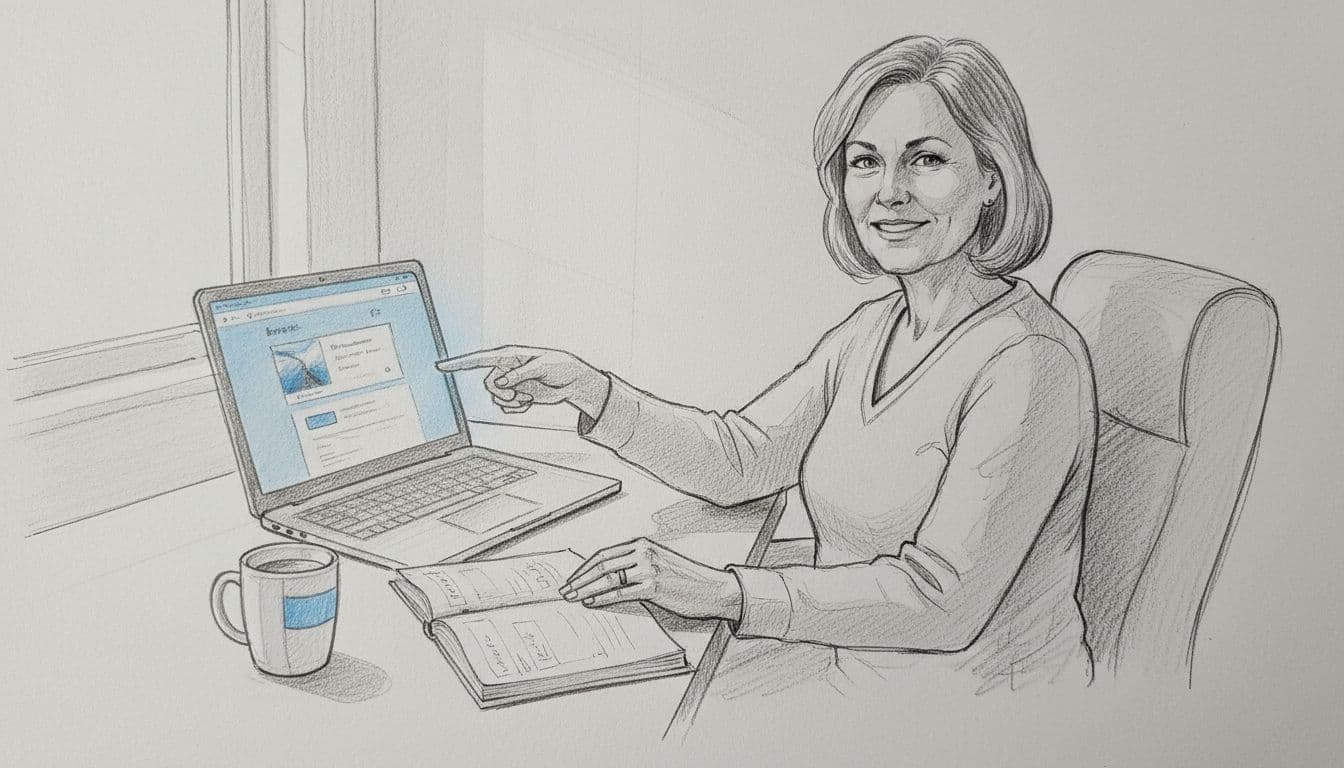
Next, make one concrete booking decision. You do not need to finish the whole trip today. You only need to move one piece from idea to action.
That first action could be:
- Reserve the tour or cruise that fits you best.
- Book refundable flights for your chosen week.
- Hold a hotel in one easy city.
- Meet with a travel advisor and choose between two real options.
Momentum matters because doubt grows in empty space. Once one piece is booked, the rest gets easier. The trip stops being a fantasy and starts becoming a plan with edges and shape.
The best way to see the world is often the trip you finally commit to, not the perfect one you keep revising.
Keep your first win small enough to enjoy
Your goal is not to travel everywhere at once. Your goal is to come home saying, “That went well. I want to go again.” That is the result that changes everything, because one good trip leads to the next one.
So keep the first win small. Aim for a trip length and pace that leaves you with energy at the end. If six nights feels right, book six. If one city sounds calmer than three, stay put. If having someone else handle transfers helps you sleep better, pay for the help.
You can use this quick filter before you book anything:
| If the plan feels… | What to do |
|---|---|
| Busy on paper | Cut one stop |
| Hard to explain | Simplify the route |
| Tiring before you leave | Add more support |
| Comfortable, clear, and exciting | Book it |
That last line is the one you want. Not flashy. Not complicated. Just right for where you are now.
Now, Do This One Thing
Your first trip after 50 doesn’t need to be big to be meaningful. The best way to see the world is to choose a style that fits your energy, comfort, and curiosity, so the trip feels doable from the day you leave to the day you come home.
That might mean a small group tour, a river cruise, or a slower stay in one city. What matters most is that you travel in a way that gives you room to enjoy what you came to see.
When the pace fits you, the world opens up with less strain and more pleasure. That’s often how a first trip becomes the start of many more. Pick one!
Do This One Thing: Set a deadline for this decision, even if it’s only a few days away. By then, choose your travel style, your destination, and your date. After that, stop reopening the same ten browser tabs and second-guessing yourself.
You do not need a masterpiece. You need a first trip that works. Once you have that, you’ll learn more from one week away than from months of reading about travel from your couch.