
You sit at the kitchen table with a notebook, a folded map, your glasses, and a warm cup of coffee, and your travel bucket list starts to feel real. In plain language, it’s your personal list of places and trips you’d love to take someday, and if you’re over 50 and new to travel, it gives those loose daydreams a calm place to land.
As a travel agent, I’ve seen how a short list helps first-time travelers move from “maybe someday” to “I can do this,” because a bucket list is a starting point, not a promise. Start with 10 ideas, not 100, pick trips that fit your energy, budget, health, and comfort, and build confidence one trip at a time. My motto: “Get out of your chair and see what’s out there!” Starting your list makes your first trip feel possible.
What a travel bucket list really means when you’re new to travel over 50
When you’re new to travel after 50, a travel bucket list can sound bigger than it needs to be. In real life, it’s simply a place to collect trip ideas that matter to you. I tell first-time travelers to keep it personal, flexible, and light enough to enjoy. Your list needs to feel inviting, not stressful.
A bucket list is a wish list, not a contract
Your bucket list should give you direction, not pressure. You are allowed to change your mind, and you probably will. A trip that sounds perfect today may not fit your budget next year, your health may shift, family needs may come first, or your interest may move in a new direction.
That doesn’t mean you failed. It means you’re building a list that fits your real life.
A good list can bend without breaking. You might cross off a long flight and choose a river cruise instead. You may trade a busy city for a quiet coastal town. Sometimes the right move is to wait, save, rest, or pick something closer to home.
Your travel bucket list should support your life, not boss you around.
Give yourself room to edit often. That can look like:
- removing a trip that no longer excites you
- delaying a big adventure until the timing feels better
- swapping one destination for another that fits your comfort level
- keeping a dream on the list for later, without guilt
Travel after 50 often gets better when you stop trying to impress anyone. You don’t need the boldest trip. You need the right one for you, right now.
Why a short list helps first-time travelers feel calm and clear
A long list can feel like a crowded closet. Everything is in there, but nothing is easy to reach. When you keep your travel bucket list short, your choices become clearer, and planning feels less tiring.
For most first-time travelers, 10 ideas is enough. That gives you options without turning your notebook into homework. You can spot patterns faster, too. Maybe you keep circling back to small-group tours, scenic train trips, or beach towns with easy walking. That tells you a lot about what you actually want.
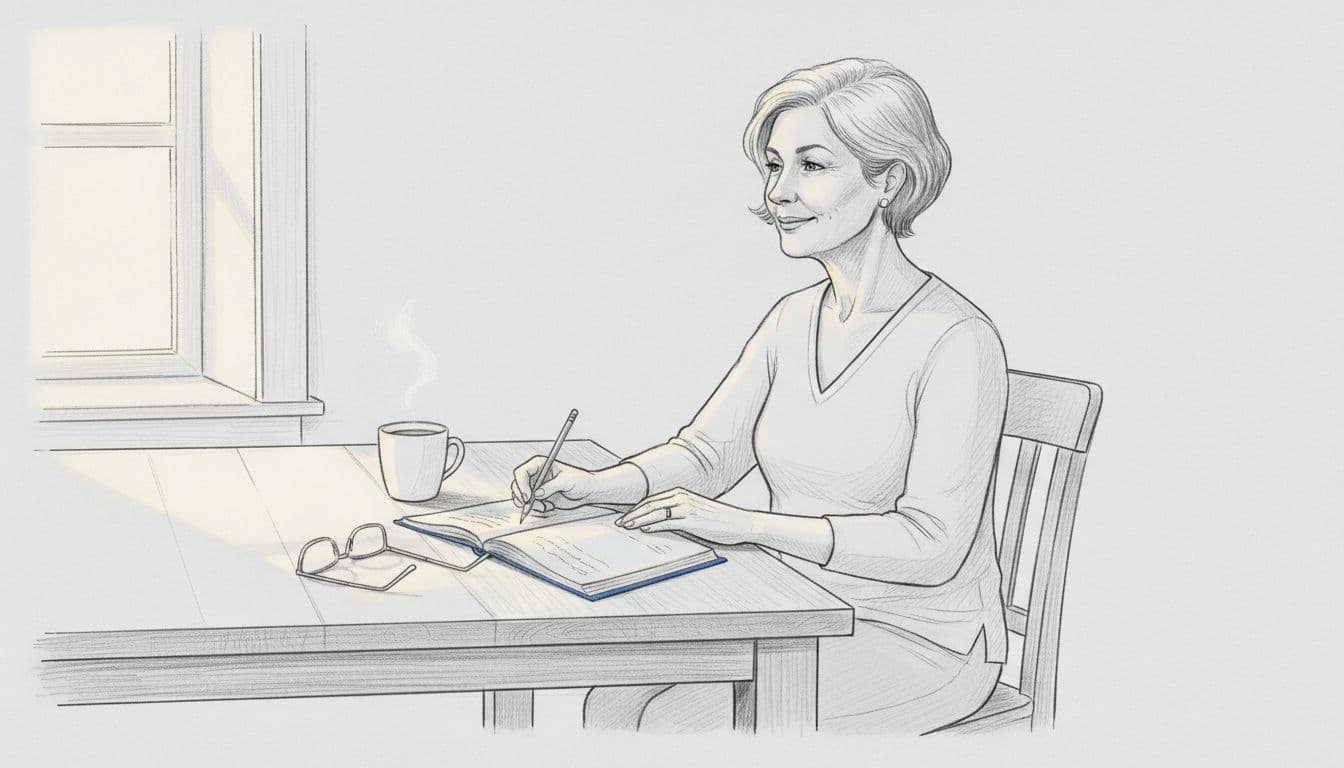
A shorter list also cuts decision fatigue. Instead of comparing 43 dream trips, you can focus on a handful that match your money, energy, and comfort. That makes it easier to research flights, travel seasons, walking demands, and tour styles without feeling buried.
If you’re not sure where to begin, keep your first list simple:
- Write down 10 trips that sound genuinely appealing.
- Circle the ones that feel easy to picture yourself taking.
- Start planning the one that feels exciting and doable.
That small step creates momentum. Then your bucket list becomes useful, not heavy. And when your first trip goes well, your next choice usually comes with more confidence.
Choose dream trips without overthinking every detail
As a travel agent, I tell first-time travelers over 50 the same thing all the time: your list gets easier when you stop trying to choose the “best” trip and start choosing the right trip. “Get out of your chair and see what’s out there!” works better when your ideas feel clear, personal, and possible.
You do not need a perfect method. You need a simple filter that helps you sort real excitement from random noise. When a place fits your interests, your energy, and your comfort, it moves from daydream to likely trip.
Start with places that pull you in for a real reason
Random lists get long quickly. Personal lists stay useful because each place has a hook. Maybe your grandparents came from Ireland. Maybe you light up at the thought of Rocky Mountain views, fresh pasta in Italy, Civil War sites, desert quiet, or a slow train through Canada.

When you feel stuck, use a few simple prompts and see what rises to the top:
- Family roots or heritage you want to trace
- Scenery that makes you stop and stare
- Food you want to taste in its home place
- History that has always held your attention
- Nature, wildlife, gardens, or national parks
- Train travel, river cruises, or coastal drives
- Wellness trips with rest built in
- Art, music, museums, or local culture
Write down the places that bring up a real feeling. That feeling matters. A good bucket list is less like throwing darts at a map and more like following a thread you already care about.
The strongest trip ideas usually come from memory, curiosity, or longing, not from someone else’s highlight reel or YouTube video.
Use your energy level as a filter, to define your wish list
A dream trip should fit the body you have now, not the one you had at 35. That is not giving up. It is smart planning, and it usually leads to a better trip.
For example, ask yourself how you do with long walking days, uneven streets, early mornings, jet lag, and overnight flights. Also think about how much sleep you need to enjoy yourself. If your best days start slow and stay steady, that tells you something useful.
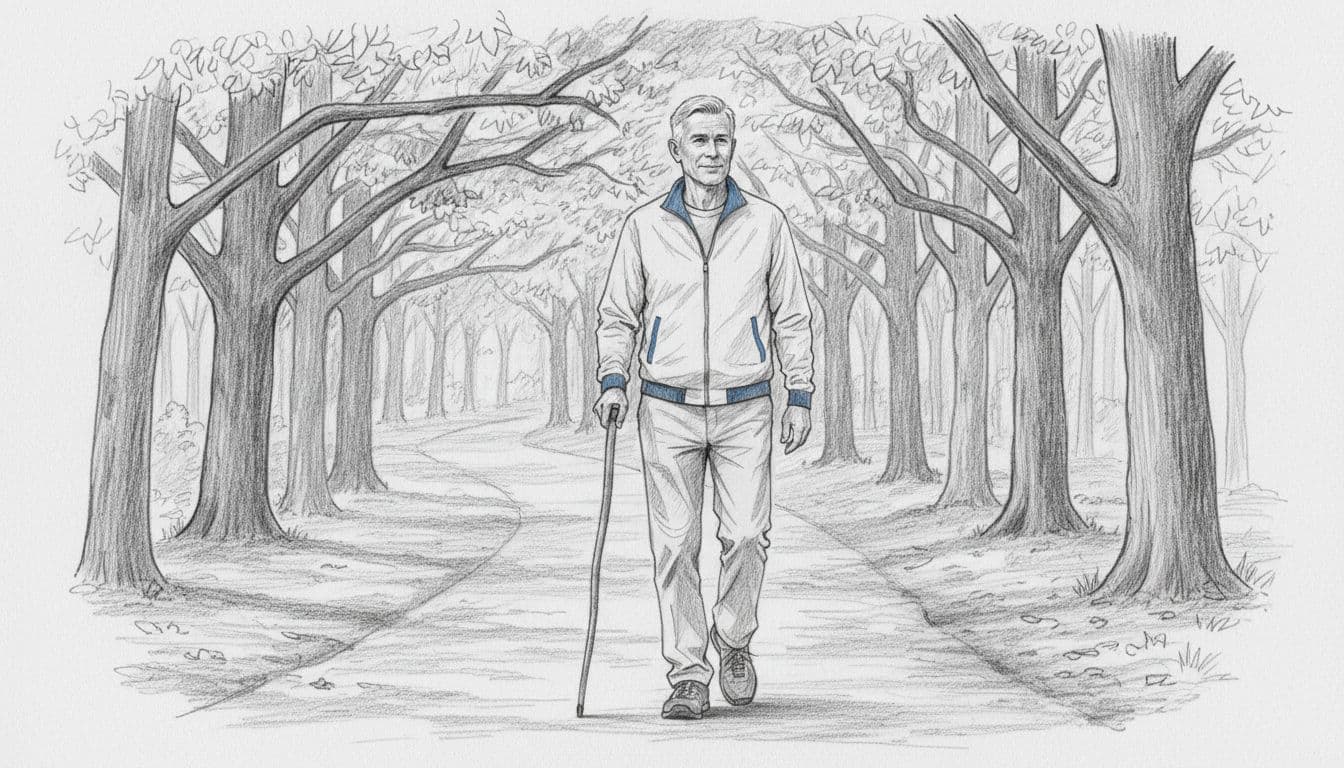
This filter does not shrink your world. It helps you choose the version of the trip you can enjoy. You might love Europe, but prefer one city and a direct flight over three countries in ten days. You might want Alaska, but choose a cruise with easy excursions instead of a packed land tour.
Ambition still belongs on your list. Honesty belongs there too. When you pair both, you build trips that feel exciting and doable.
Borrow ideas from current travel trends, but keep the list personal
Travel trends can give you a nudge, especially if you are new to planning. Right now, many travelers over 50 are leaning toward wellness, nature, and culture, often with a slower pace and more comfort built in. That can help if your list feels blank.
Sedona is a good example of an easy wellness trip, especially if you want quiet, scenery, and a gentle reset. Lisbon often works well as a first Europe trip because it can feel rich in culture without the price tag of some bigger capitals. Costa Rica appeals to many first-time travelers because it offers nature with strong tourism comfort, which can lower stress. Then there are bigger future goals, such as New Zealand or South Africa, places you can keep on your list now and plan for later.
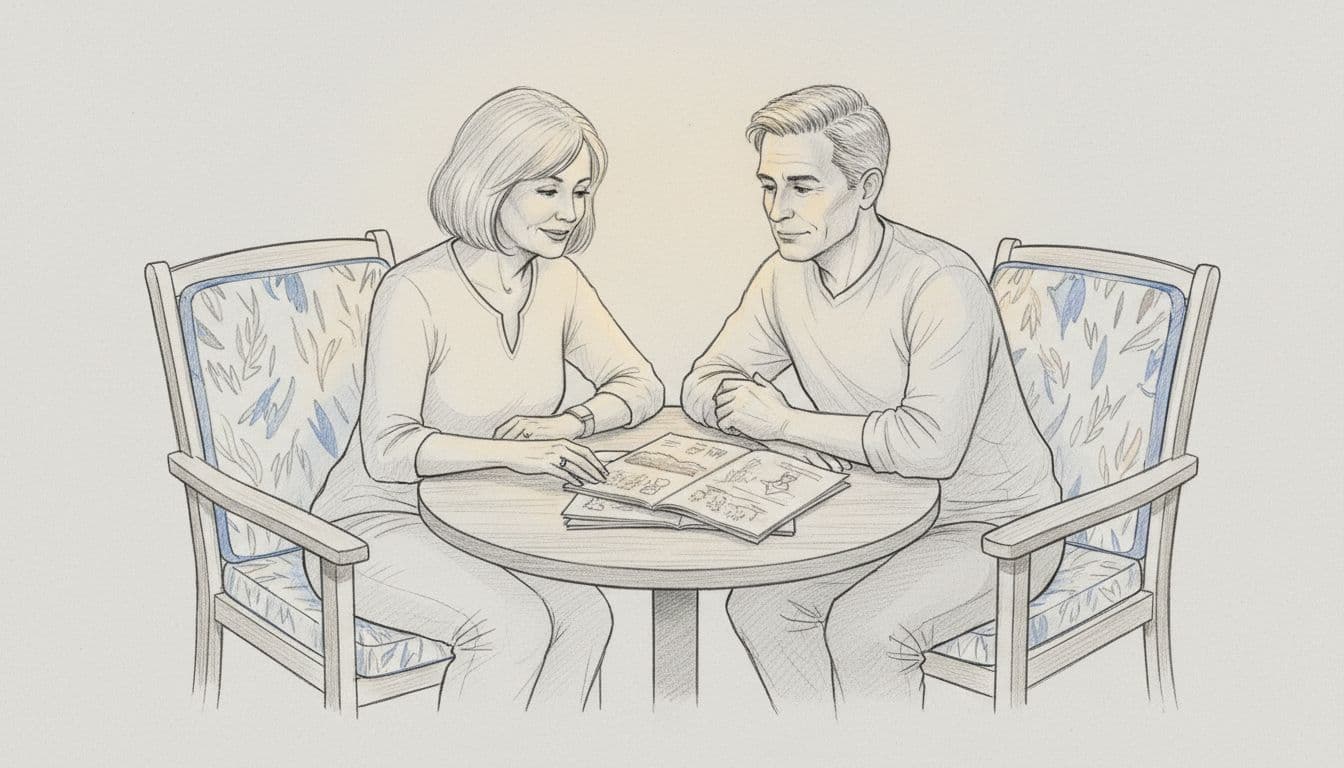
Use trends as inspiration, not instruction. If everyone talks about wellness retreats but what you really want is castles, train rides, and old churches, trust your own pull. Your travel bucket list should sound like you, not like a travel website sales pitch.
Sort your travel bucket list into easy, medium, and big trips
Once you have a short list of places you love, the next step is to sort them by effort. This is where your travel bucket list becomes useful. You stop staring at a pile of dreams and start seeing a path.
As a travel advisor, I suggest clients over 50 to group trips by easy, medium, and big. That simple step lowers stress because you can match each idea to your time, energy, budget, and comfort. It also fits the motto, “Get out of your chair and see what’s out there!” in a way that feels real, not reckless.
Easy trips give you a first win
Easy trips are your confidence builders. They usually have shorter flights or easy drives, simple plans, mild weather, and a pace that lets you breathe. You can sleep well, settle in fast, and enjoy the place without feeling like you’re racing a clock.
For many first-time travelers, this is the best place to start. You might choose a spot like Sedona, where scenic drives, spas, and gentle outings keep the day calm. Or you may like Lisbon for its culture and mild climate, especially if you want a first Europe trip that feels rich but not too far-flung. Niagara Falls also fits this group because you can enjoy the main draw without a hard physical push. These are examples, not rules.
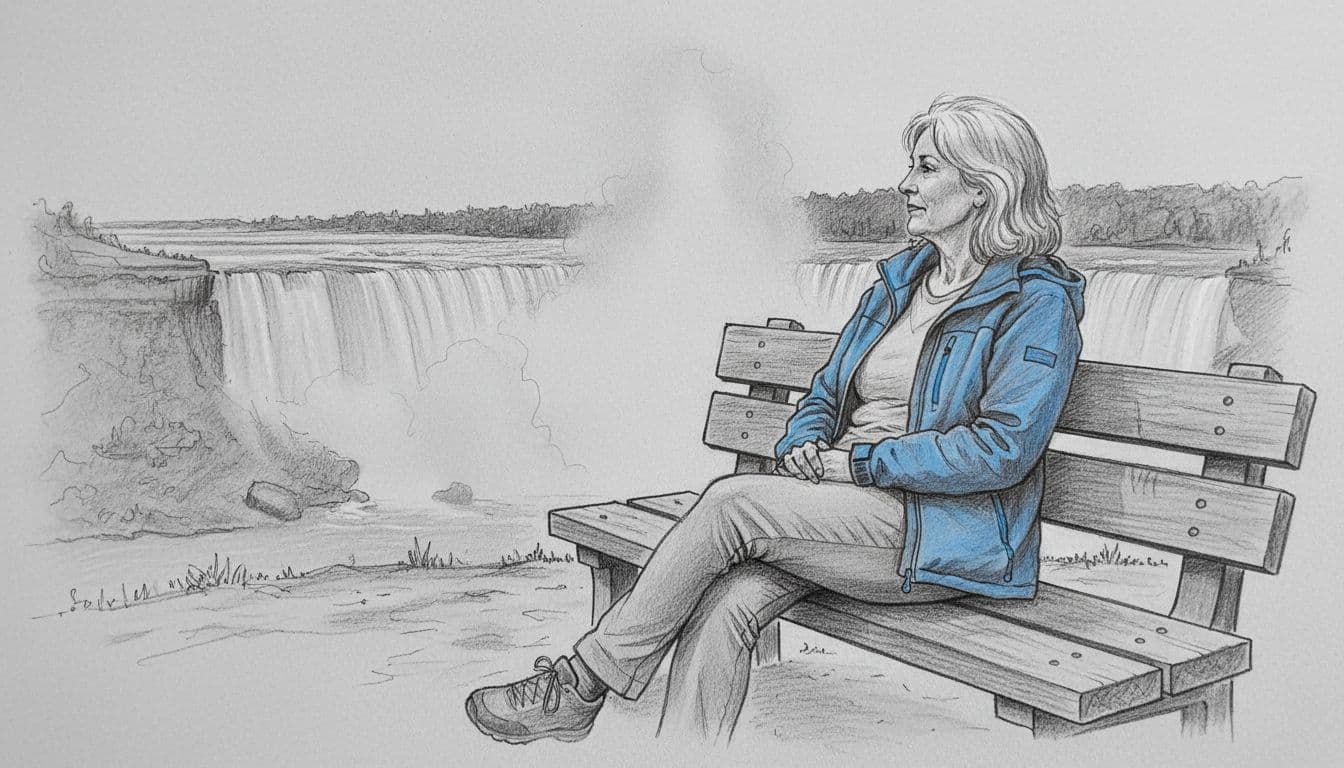
An easy trip should feel friendly to your real life. That often means:
- a direct flight or an easy road trip
- one hotel instead of many
- steady weather in spring or fall
- simple sightseeing with room for breaks
- comfort-first choices, such as guided tours or scenic drives
That first win matters more than people think. A smooth trip teaches you that you can pack, go, arrive, and enjoy yourself. Then bigger travel stops feeling like a wall and starts feeling like the next step.
Medium trips stretch me a little, but still feel manageable
Medium trips ask a bit more from you, but they still leave room to rest. You may face a longer travel day, more walking, or extra planning. Still, these trips often come with good tourism support, guided options, easy day tours, and places to pause.
This is the middle ground many travelers grow into after one or two easier trips. Kyoto is a good example if you want culture, gardens, temples, and quiet beauty, but you know the journey is longer. Costa Rica can fit here too, especially if you want nature, wildlife, and wellness with good visitor support. If mountain scenery calls you, Jasper offers a range of activity levels, from scenic drives to moderate walks. Places like the Algarve or the Amalfi Coast may also belong here, depending on how much walking, hill climbing, and moving around you plan to do.
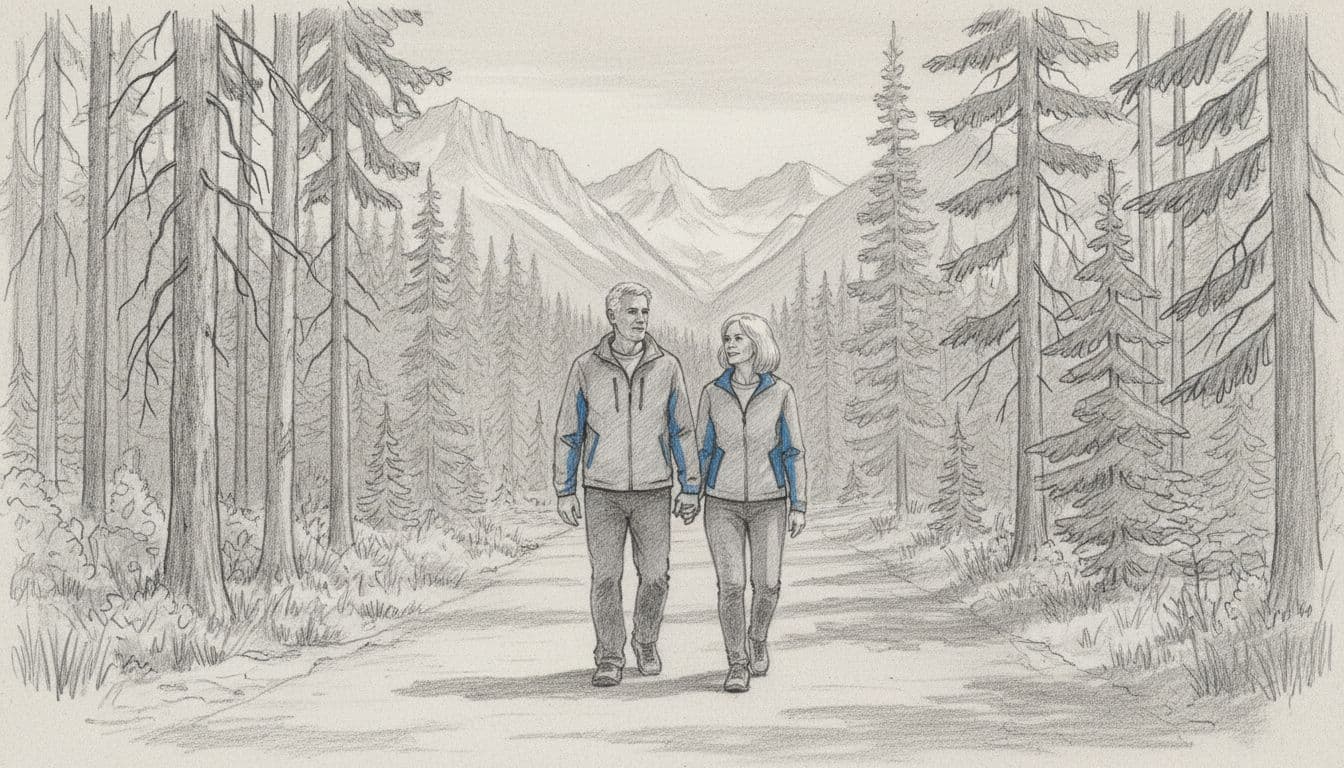
A medium trip often works well when you:
- can handle a longer day of travel
- don’t mind some uneven streets or moderate walking
- want a richer cultural or nature experience
- plan rest stops on purpose, not as an afterthought
This category is helpful because it shows you that “hard” and “possible” are not the same thing. A trip can stretch you and still feel good.
Big trips stay on the list until the time feels right
Big trips deserve a place on your list, even if you won’t take them soon. Some dreams need more money, more stamina, or more planning time. That does not make them unrealistic. It just means they belong in the right season of your life.
These trips often include long-haul flights, several transfers, higher altitude, more physical effort, or a lot of moving parts. New Zealand may ask for a very long flight, even though the reward is huge. South Africa can mean long travel days plus safari planning. The Norwegian fjords or the Swiss Alps may be more demanding if you want mountain views beyond the easy-access spots. Galapagos and Peru can call for extra planning too, especially when altitude or multiple connections enter the picture.

Keep these trips on your travel bucket list anyway. In fact, they give your list heart. You can save for them, train for them, or wait for the year when your schedule opens up. Some dreams are ripe now. Others need time on the shelf, like a good bottle waiting for the right dinner.
Match each trip with your budget, health, and comfort before you commit
Before you put money down, give each trip a quick reality check. As a travel agent, I tell first-time travelers over 50 to look for a fit, not a fantasy. When a trip matches your wallet, your body, and your comfort level, you can “Get out of your chair and see what’s out there!” with a lot less stress.
Set a simple budget range for each idea
Start broad. You don’t need exact math on day one. A simple label works better: lower-cost, mid-range, or splurge.
For many first trips, an easier one-week getaway can land under $3,000. A mid-range trip often falls around $4,000 to $6,000. Bigger trips, especially long-haul ones, often reach $7,000 or more. Those numbers can shift fast, though, because season, departure city, and travel style all matter.
When you sort your list this way, you stop guessing. You can see which ideas fit now, and which ones belong in the “later” pile.
Check the real comfort factors that shape the whole trip
Comfort is more than a nice hotel bed. It includes walking demands, stairs, altitude, humidity, flight length, jet lag, transfers, bathroom access, and the overall pace of the trip.
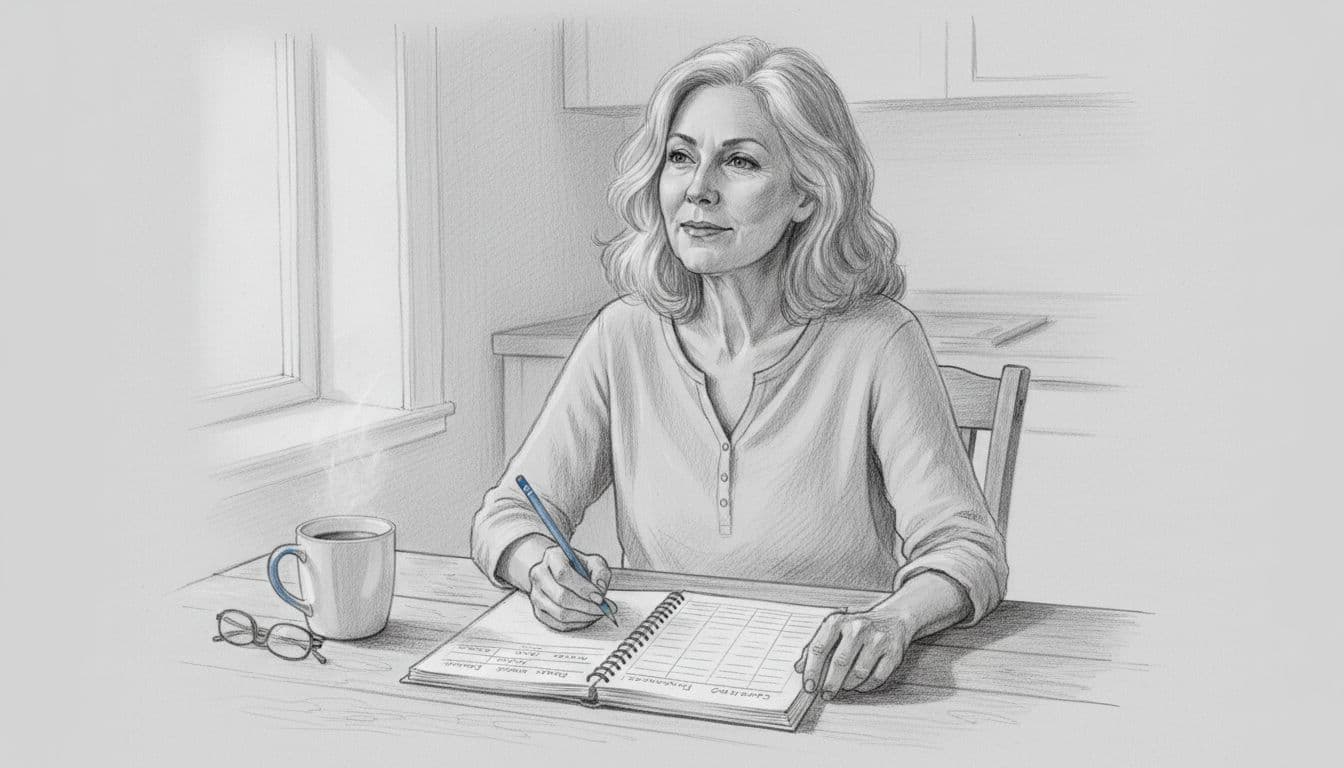
If one place asks more from you, adjust the style of travel. Choose a guided tour, a direct flight, a train, a cruise, or add an extra rest day. Small changes can turn a tiring trip into a good one.
The trip that looks easiest on paper often feels best in real life.
Pick the best first trip, not the most impressive one
Your first trip does not need to impress anyone. It needs to go well.
Choose the destination that fits your budget, health, and comfort right now. That might mean a simpler place, a shorter flight, or a slower plan. Good travel after 50 often starts with one solid win. Then your confidence grows, and the next trip gets easier to choose.
Now, Do This One Thing…
Your travel bucket list is a starting point, and that’s why it works so well when you’re new to travel after 50. As a travel agent, I’d tell you to keep it simple, keep it honest, and keep it shaped around the energy you have now, because 10 good ideas will help you more than 100 scattered ones.
A calm, easy first trip can do more than a bold dream that wears you out. When you choose places that fit your budget, health, and comfort, you give yourself room to enjoy the trip and build trust in your own travel skills. That’s how bigger adventures start to feel possible, one solid win at a time.
Do This One Thing: Today, write down a few places you still think about, then circle one easy trip you could actually take first. “Get out of your chair and see what’s out there!” starts with a short list and one choice that feels real.